When you suffer a concussion, the injury extends far beyond the initial impact. The brain's electrical signaling system becomes disrupted, similar to static interrupting a clear broadcast. This communication breakdown between neural networks triggers the frustrating symptoms you experience, including persistent headaches, mental cloudiness, emotional volatility, and compromised focus.
While conventional concussion care emphasizes rest periods and waiting, countless individuals across Los Angeles face prolonged post-concussion symptoms that persist well beyond expected recovery timelines. Brain training through neurofeedback offers an alternative pathway forward, working directly with the recovery patterns seen in concussions in adults.
What Happens to Brain Activity After a Head Injury?
A head injury scrambles your brain's electrical communication, leaving some regions overactive while others lag behind. Imagine your neural pathways as a well-organized highway system that suddenly experiences multiple detours and roadblocks. Quantitative EEG mapping shows exactly where that disruption lives so training can target it.
Traumatic brain injuries create lasting imbalances in how neurons fire and connect. According to the National Institute of Neurological Disorders and Stroke, even a mild injury can produce cognitive, physical, and sensory symptoms that linger long after the event. Certain brain regions may overcompensate while others underperform. Through brain mapping, we identify precisely which neural areas sustained the most disruption from your injury. This diagnostic roadmap reveals where your brain requires targeted support for effective healing.
How Does Neurofeedback Support TBI Recovery?
Neurofeedback supports TBI recovery by giving your brain real-time information about its own activity, so neural networks can relearn healthy, self-regulated communication. There are no medications and no procedures involved. Over a series of sessions, the brain gradually shifts toward more balanced firing patterns.
During neurofeedback for brain injury recovery, your brain receives guided training to reestablish normal communication between disrupted regions. The underlying principle is well documented. A comprehensive scientific review describes how neurofeedback teaches self-control of brain functions by measuring brainwaves and returning an immediate feedback signal. We implement comprehensive multi-modal protocols customized to your injury's unique signature, an individualized strategy that helps your recovery move forward.
Which Post-Concussion Symptoms Can Brain Training Address?
Brain training can address the four symptom clusters that most often follow a concussion: cognitive, physical, emotional, and sleep-related. Each cluster reflects a different pattern of disrupted brain activity, and each can be a target for retraining. Here is how that breaks down.
Mental performance issues: Professionals throughout Los Angeles dealing with TBI aftereffects often face workplace challenges. Difficulty concentrating, compromised memory, and slowed information processing are among the most debilitating consequences. Our protocols retrain neural regions governing attention, recall, and cognitive sharpness.
Somatic complications: Ongoing headaches, heightened sensitivity to light or noise, and coordination difficulties disrupt normal activities. The Cleveland Clinic notes that concussion symptoms can affect physical, cognitive, emotional, and sleep functions. Brain training assists your brain in reestablishing balanced activity patterns, offering relief from these physical manifestations.
Mood instability: Anxiety, low mood, and mood swings frequently accompany brain trauma. These represent neurological disruptions rather than personal failings. Training helps recalibrate emotional processing networks toward steadier equilibrium.
Rest cycle problems: Sleep disturbances plague many Los Angeles concussion patients. Brain training supports healthy circadian rhythms by encouraging the brainwave frequencies that govern restorative sleep.
How Does 3D qEEG Brain Mapping Guide Your Treatment?
Brain mapping guides treatment by turning your injury into a visual, measurable picture before any training begins. Instead of guessing, your clinician can see which networks are overactive, underactive, or poorly connected, then design a plan around that specific signature.
Every client begins with detailed 3D qEEG brain mapping. This sophisticated neuroimaging reveals exactly how your injury impacted brain function. Our advanced multi-layer assessment provides complete visibility into your current neural performance, going far beyond standard imaging techniques. The Centers for Disease Control and Prevention explains that even a mild TBI causes chemical changes and stretching of brain cells, which is precisely the kind of subtle dysfunction qEEG is built to detect.
Your personalized brain map becomes the foundation for a customized program. Typical concussion rehabilitation spans about four months, with more significant injuries requiring extended training periods. Progressive sessions help build steadier neural pathways that support lasting recovery.
What Is a Neurofeedback Session Actually Like?
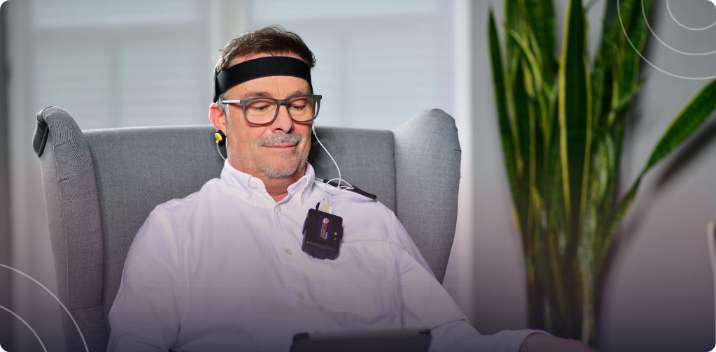
A session is calm, comfortable, and completely noninvasive. Sensors rest on your scalp to read brainwave activity while you sit and engage with a screen. There is no pain, no medication, and nothing entering the body. Most people find the experience relaxing.
You will participate in engaging activities that resemble interactive games while your brain receives instantaneous performance feedback. Over time, your brain learns to favor more optimal functioning patterns, leading to noticeable improvements in mental clarity, memory retention, emotional stability, and symptom reduction. Many of our Los Angeles clients report increased mental sharpness and a sense of returning to themselves within weeks of beginning brain training in Los Angeles.
Why Do Los Angeles Athletes and Professionals Choose Brain Training?
Los Angeles athletes and professionals choose brain training because it offers a drug-free path back to high performance after a head injury. From students hurt in school athletics to competitors managing repeated impacts, many want recovery that does not rely on medication or its side effects.
Clients often seek our services after consulting with UCLA Health or USC sports medicine programs, looking for noninvasive brain recovery options. We assist clients from West LA through Pasadena who need effective support without medication side effects. Our brain training facilitates a safe return to professional responsibilities, academic demands, or competitive sports. Many clients pair it with the structured support of our 3D qEEG brain assessment to track progress objectively.
How Does Brain Training Fit With Other Concussion Care?
Brain training complements existing concussion therapies rather than replacing them. Many Los Angeles clients integrate our protocols with physical rehabilitation, balance therapy, or visual processing treatment, attacking recovery from multiple angles at once.
We collaborate with your neurologist, sports medicine specialist, or other providers. Our team champions complete recovery through scientifically guided methods overseen by PhD-level advisors. Recovery timing also matters. The Mayo Clinic notes that persistent post-concussive symptoms can last for months or longer, so starting training during the first post-injury year often yields the best results. Even so, we have helped Los Angeles clients addressing injuries from years past.
Frequently Asked Questions
How long does neurofeedback for concussion recovery take?
Most concussion programs run about four months of progressive sessions, though more significant or older injuries can require longer. Your 3D qEEG brain map and how your brain responds during training help shape the exact length. Your clinician will set realistic expectations at the start.
Is brain training safe and painful?
Brain training is noninvasive and pain-free. Sensors simply read your brainwave activity from the surface of the scalp while you sit comfortably. Nothing is injected, and no electrical current is sent into the brain, so most people find the sessions calm and even relaxing.
Can neurofeedback help if my concussion happened years ago?
Yes. While starting within the first year often produces the strongest results, the brain remains adaptable well beyond that window. We have supported Los Angeles clients working through symptoms that lingered for years, using brain mapping to target the regions that still show disruption.
Do I need to stop my other concussion treatments?
No. Brain training is designed to work alongside physical therapy, balance work, visual processing therapy, and care from your neurologist or sports medicine specialist. A coordinated, multidisciplinary plan typically gives you the most complete recovery.
Is remote brain training available outside Los Angeles?
We accommodate clients across Los Angeles County, and remote training is available for those in outlying areas. After your in-person 3D qEEG assessment, many clients continue guided sessions from home, which keeps recovery consistent without frequent travel.
Ready to take the next step?
Talk with the Vital Brain Health team about a Neurofeedback plan built around your brain and your goals.