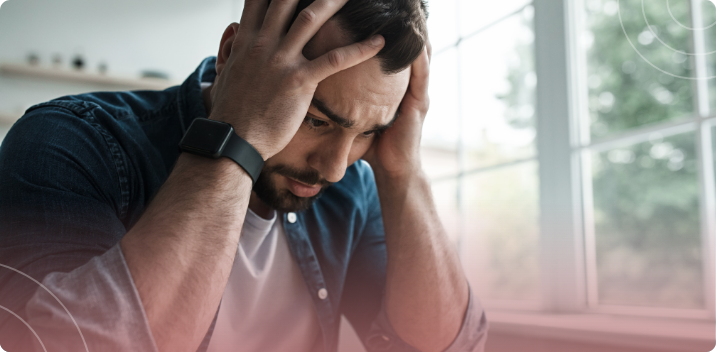
Los Angeles is one of the most demanding cities in the world, and the pace of life here takes a real toll on the brain. Anxiety disorders are among the most common conditions affecting adults across the country, and many people spend years cycling through approaches that only manage symptoms rather than address the underlying cause. If you are ready to go beyond symptom management and work on the brain patterns driving your anxiety, neurofeedback offers a science-backed path forward.
Is Anxiety a Personal Weakness or a Brain Pattern?
Anxiety is not a personal weakness or a failure of willpower. It is a dysregulated pattern of brain activity, one where specific neural networks have been conditioned to over-respond to stimuli that most people experience as manageable. According to the National Institutes of Health overview of anxiety disorders, persistent and excessive worry that interferes with daily life is the defining feature, and it shows up in a meaningful share of adults at some point in their lives.
Understanding anxiety as a learned brain pattern changes the whole conversation. Your brain has developed a particular way of interpreting threats, allocating attention, and generating emotional responses, and that learned pattern is precisely what neurofeedback is designed to address. The goal is not to suppress feelings but to help the nervous system relearn a calmer default.
Where Does Anxiety Actually Live in the Brain?
In a brain experiencing chronic anxiety, the regions responsible for emotional processing tend to generate alarm signals at a disproportionate rate. The amygdala, a small almond-shaped structure deep in the temporal lobe, is central to how fear and threat are detected. The Cleveland Clinic's explanation of the amygdala describes it as the brain's emotional alarm system, generating fear responses that can become overactive in anxiety.
The neural networks governing attention become locked onto perceived threats rather than distributing focus in a balanced way. Meanwhile the prefrontal cortex, which is responsible for rational decision-making and emotional regulation, struggles to override those signals effectively. Research published in Scientific Reports on the prefrontal cortex and emotion regulation under stress highlights how this top-down control can falter when stress is high. Neurofeedback works by targeting the specific communication breakdowns between these regions and helping the brain develop more regulated, adaptive response patterns.
How Does Neurofeedback Address Anxiety at the Neurological Level?
Neurofeedback is a non-invasive form of brain training that teaches the nervous system to produce calmer brainwave patterns through real-time feedback. During a session, sensors are placed on the scalp to monitor electrical activity across different regions of the brain. As you sit comfortably watching a video or listening to audio, the system delivers immediate positive feedback the moment your brain shifts toward calmer, more regulated frequencies.
For people working to address anxiety disorders, several specific neurological changes are targeted throughout the training process. Excessive high-beta activity, the brainwave pattern most associated with racing thoughts and rumination, is reduced through carefully calibrated training protocols. Alpha wave production is simultaneously strengthened, giving the brain a more accessible pathway into calm and focused states. Coherence patterns between brain regions are also addressed, which helps disrupt the looping, anxiety-reinforcing communication cycles that keep nervous systems stuck in a state of chronic alertness. A comprehensive review of neurofeedback methodology and clinical applications describes how these EEG-guided protocols are designed and applied.
What Does a Session Actually Feel Like?
Many people are surprised by how simple and comfortable the neurofeedback process is once they experience it. You sit in a relaxed position, sensors rest gently on your scalp without any electrical input or discomfort, and you engage with the feedback display in front of you. There is no mental effort required in the traditional sense, because the brain responds to the feedback automatically, gradually learning to sustain the patterns being reinforced.
Sessions typically run between 30 and 45 minutes, and many clients begin noticing meaningful shifts in their anxiety levels within the first several weeks of consistent training. A full course of training generally involves a series of sessions spread over time, depending on the complexity and history of each person's anxiety presentation. Progress is not left to guesswork, as standardized anxiety assessments, symptom tracking logs, and follow-up brain mapping are used throughout the program to confirm that neurological changes are translating into real-world improvements.
What Makes Neurofeedback 3.0 a More Sophisticated Approach?
The approach to neurofeedback in Pasadena goes considerably further than what most centers offer. Rather than relying on a single protocol applied to everyone with an anxiety diagnosis, the clinical team uses Neurofeedback 3.0, an integrated multi-modal system that combines AI-based brain analysis, network connectivity assessment, normative database comparisons, and detailed symptom profiling to build a picture of how anxiety is actually presenting in each individual brain. From that foundation, the team, guided by PhD scientific advisors, selects from more than 20 distinct neurofeedback techniques tailored to your specific brainwave profile to construct a protocol that reflects the neurological dynamics of each client.
This level of individualization matters because anxiety does not look the same from one brain to the next. Two people can share identical anxiety symptoms and have meaningfully different brainwave profiles driving those symptoms. Applying a one-size-fits-all protocol in that scenario produces inconsistent results, which is why the precision of the Neurofeedback 3.0 framework is central to the outcomes clients experience. Every aspect of the program is designed to address the actual source of each person's anxiety rather than simply targeting a generic anxiety category.
Can You Do Neurofeedback for Anxiety From Home?
Yes. The Pasadena office is positioned to serve clients across Los Angeles County, with access from communities including Glendale, Burbank, Arcadia, Monrovia, and the broader San Gabriel Valley. For clients whose schedules make consistent in-office visits difficult, or for those who find that commuting through LA traffic is itself a source of anxiety, remote neurofeedback programs you can complete from home allow training without compromising the quality or precision of the protocol.
Flexible scheduling options are available for working professionals, parents, and anyone whose daily demands require a program that can adapt to a busy life. The remote training option is particularly well suited to people seeking neurofeedback in Los Angeles who want to address anxiety without adding the stress of navigating the 210, the 110, or the 101 to their weekly routine. Whether training happens in the office or remotely, the same level of clinical oversight and protocol precision is maintained throughout the process.
What Long-Term Results Can You Expect?
One of the most meaningful distinctions between neurofeedback and conventional symptom-management approaches is the durability of the results. Because neurofeedback is teaching the brain itself to regulate differently, the changes that emerge through training tend to persist well beyond the end of the program. Clients frequently report that improvements in anxiety frequency and intensity continue to hold long after completing their sessions, because the brain has genuinely learned new response patterns rather than simply being chemically suppressed in the moment.
Neurofeedback also works effectively alongside other approaches, and many people continue working with therapists, counselors, or physicians while completing their training program. As the Mayo Clinic's guidance on anxiety disorders notes, early and consistent care tends to produce the best outcomes. The neurological regulation that develops through brain training often makes other therapeutic work more effective, because the chronic physiological arousal that fuels anxiety is being addressed at the same time. Some people find that as their symptoms improve, they are able to work with their prescribing physicians to reassess their medication needs, though that process is always managed in consultation with the appropriate medical professionals.
How Do You Get Started With a Brain Mapping Consultation?
The starting point for every client is a comprehensive initial consultation combined with a 3D qEEG brain mapping session. This assessment produces a detailed picture of the electrical activity in your brain and reveals the specific patterns that are driving your anxiety experience. From that information, the clinical team designs a training program that is built around your brain, your symptoms, and your goals.
Los Angeles area residents who are ready to address anxiety through a science-backed, personalized approach are encouraged to take a clear-eyed look at what is actually happening in their nervous system. A commitment to scientific accuracy, individualized care, and measurable outcomes means every client receives a program designed to create real, lasting change rather than temporary relief.
Frequently Asked Questions
Is neurofeedback safe for treating anxiety?
Neurofeedback is non-invasive and does not introduce any electrical current into the brain. The sensors simply read your brain's existing activity while the system reflects it back to you. Most people find sessions calm and comfortable, and the approach is generally well tolerated by adults of all ages.
How is neurofeedback different from medication for anxiety?
Medication works by altering brain chemistry in the moment, while neurofeedback trains the brain to regulate itself differently over time. Because the brain learns new patterns rather than being chemically suppressed, many people experience improvements that last after training ends. Decisions about adjusting medication should always be made with your prescribing physician.
How many neurofeedback sessions will I need for anxiety?
The number of sessions depends on the history and complexity of your anxiety, which is why a brain map comes first. Many people begin noticing shifts within the first several weeks of consistent training, while a full course unfolds over a longer series of sessions guided by ongoing assessments.
Can neurofeedback be combined with therapy or counseling?
Yes. Neurofeedback works well alongside talk therapy, counseling, and care from your physician. By calming the chronic physiological arousal that fuels anxiety, brain training often makes other therapeutic work feel more accessible and effective.
Do I have to visit the office in person to do neurofeedback?
Not necessarily. Remote programs let you complete training from home with the same clinical oversight and protocol precision used in the office. This option is especially helpful for busy professionals, parents, and anyone for whom commuting itself adds stress.
Ready to take the next step?
Talk with the Vital Brain Health team about a Neurofeedback plan built around your brain and your goals.