Photobiomodulation Therapy in Los Angeles & Pasadena
Photobiomodulation is a recent support option developed to help support certain neurological and behavioral conditions in children and adults. At Vital Brain Health, we offer photobiomodulation as part of our mission to help our clients train their brains and improve their lives.
Whether you're living with ADHD, seeking adult concussion recovery treatments, pediatric head injury rehabilitation, childhood executive function support, or help with slowing mild cognitive impairment, we at Vital Brain Health can provide the support you need in order to help you live your best life.
Get the care you need through a specialized form of low-level laser therapy today by scheduling an appointment with Vital Brain Health. We can help you overcome conditions like traumatic brain injuries and major depressive disorder.
Get the support you need to restore your cognitive function. Schedule an appointment with Vital Brain Health today.
Get StartedAt a Glance
Photobiomodulation is a drug-free, non-invasive light therapy. At Vital Brain Health in Los Angeles and Pasadena, we use low-level near-infrared light to stimulate the brain processes behind focus, mood, sleep, and recovery, supporting conditions like concussion, depression, and cognitive decline without medication. Available in-office and as remote programs nationwide.
What is Photobiomodulation?
Photobiomodulation is a special form of low-level laser therapy. Laser therapy is normally used for wound healing and tissue regeneration, but photobiomodulation can also be used to support neurological and psychological conditions. It stimulates certain important processes in the brain that can help strengthen the mind and reduce negative neurological responses that contribute to conditions like dementia, strokes, and conditions such as attention-deficit hyperactivity disorder (ADHD) and anxiety. It can even improve cognitive function.
At Vital Brain Health, we provide photobiomodulation as part of our ongoing mission to provide optimal neurofeedback therapy to our clients. Our services can help support overcoming a variety of conditions that impact our clients' daily lives, such as anxiety, depression, and more.
Don't let your condition affect your ability to live your life. Schedule an appointment for photobiomodulation with Vital Brain Health today and get the support you need to thrive.
Conditions Photobiomodulation Can Help Support
At Vital Brain Health, we believe in providing our clients with a comprehensive array of services to help you live a better life. People seek photomodulation therapy for a range of reasons. Some of the conditions we support that people may be experiencing include:
Anxiety
Photobiomodulation can help people with anxiety learn to improve their condition. The red light used in the therapy helps reduce the severity of anxiety symptoms in clients.
ADHD
Clients with ADHD have found their working memory and ability to focus on tasks. When the client is exposed to the red light used in photobiomodulation, it stimulates certain brain activity to aid in improving focus and memory.
Concussion
Photobiomodulation can help improve a person's cognitive function, mood, and sleep patterns after they've suffered a concussion. Photomodulation can also help support overcoming other symptoms that can occur after a concussion.
Mild Cognitive Decline
Low-level light can help stimulate brain activity and combat cognitive decline in clients.
Insomnia
Photobiomodulation has shown effectiveness in promoting better sleep in clients with insomnia.
Advantages of Photobiomodulation With Vital Brain Health
Photobiomodulation can help alleviate a variety of pains and conditions you may be experiencing. At Vital Brain Health, we work to provide comprehensive care to help you live a balanced and pain-free life. Some of the advantages of photobiomodulation include:

Non-Invasive
Photobiomodulation is a non-invasive option to support care for neurological and behavioral conditions in adults and children.

Improved Cognitive Function
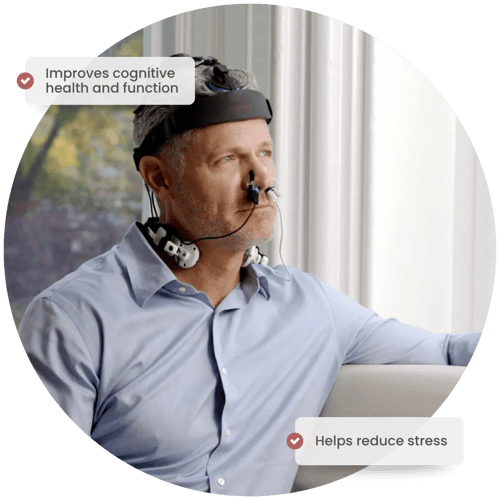
Photobiomodulation has been shown to improve the cognitive health and function of clients who undergo the process.

Reduced Stress
Clients have experienced reduced stress after undergoing photobiomodulation.
Why Choose Vital Brain Health for Photobiomodulation?
Vital Brain Health is dedicated to helping people overcome their limitations and improve their lives. We see each of our clients as a unique individual with a unique story, challenges, and aspirations. We utilize science-backed methods and a team of PhD scientific advisors to ensure that we always provide you with the best and most scientifically accurate support possible.
Are you ready to take control of your health? If you are, schedule an appointment with Vital Brain Health today. Our team can help you restore your wellness and feel your best.

Frequently Asked Questions
Is photobiomodulation legit?
Photobiomodulation has been shown to improve brain function through the use of low-level infrared light. Light exposure from this therapy can also help support care for a variety of conditions such as anxiety, depression, and obsessive-compulsive disorder (OCD).
Who should not use photobiomodulation?
People with a heightened skin or eye sensitivity to light, either through medication use or a physical condition, should not use photobiomodulation therapy. While low-level infrared light or near-infrared light is used, the heightened sensitivity these people experience can make the light more detrimental than beneficial.
What is the difference between photobiomodulation and red light therapy?
Photobiomodulation is a broader term that red light therapy and other similar support methods fall under. Red light therapy is typically used to support care for physical conditions such as tissue damage. Photobiomodulation, meanwhile, can be applied to a broader range of conditions, including neurological and behavioral conditions like OCD, ADHD, and autism.
Is there any harm in red light therapy?
Visible and near-infrared light are usually harmless. More intense or higher levels of red light can be detrimental to a person's health, causing redness and occasionally blisters to the skin. However, photobiomodulation and other forms of red light therapy do not use these higher levels of light.
References
Arns, Martijn, et al. "Neurofeedback and Attention-Deficit/Hyperactivity Disorder (ADHD) in Children: Rating the Evidence and Proposed Guidelines." Applied Psychophysiology and Biofeedback, vol. 45, no. 2, 2020, pp. 39-48.
Gevensleben, Holger, et al. "Is Neurofeedback an Efficacious Treatment for ADHD? A Randomised Controlled Clinical Trial." Journal of Child Psychology and Psychiatry, vol. 50, no. 7, 2009, pp. 780-789.
Lofthouse, Nicholas, et al. "A Review of Neurofeedback Treatment for Pediatric ADHD." Journal of Attention Disorders, vol. 16, no. 5, 2012, pp. 351-372.
Arns, Martijn, et al. "Evaluation of Neurofeedback in ADHD: The Long and Winding Road." Biological Psychology, vol. 95, 2014, pp. 108-115.
Lubar, Joel F., et al. "Evaluation of the Effectiveness of EEG Neurofeedback Training for ADHD in a Clinical Setting as Measured by Changes in T.O.V.A. Scores, Behavioral Ratings, and WISC-R Performance." Biofeedback and Self-Regulation, vol. 20, no. 1, 1995, pp. 83-99.
Monastra, Vincent J., et al. "Electroencephalographic Biofeedback in the Treatment of Attention-Deficit/Hyperactivity Disorder." Applied Psychophysiology and Biofeedback, vol. 27, no. 4, 2002, pp. 261-279.
Perreau-Linck, Elise, et al. "Effects of Neurofeedback Training on Inhibitory Capacities in ADHD Children: A Single-Blind, Randomized, Placebo-Controlled Study." Journal of Neurotherapy, vol. 14, no. 3, 2010, pp. 229-242.
Pigott, E. Heather, and Rex Cannon. "Neurofeedback is the Best Available First-Line Treatment for ADHD: What is the Evidence for this Claim?" Journal of NeuroRegulation, vol. 1, no. 1, 2014, pp. 4-23.
Micoulaud-Franchi, Jean-Arthur, et al. "EEG Neurofeedback for Anxiety Disorders and Post-Traumatic Stress Disorders: A Blueprint for a Promising Brain-Based Therapy." Current Psychiatry Reports, vol. 23, no. 12, 2021, pp. 1-15.
Get the Neurofeedback You Need
Whether you're in the Los Angeles area or elsewhere in the United States, we can provide you the services you need.
Get Started
Reach Out To Us

Professional Certifications