As you or a loved one begin searching for meaningful answers about neurological symptoms, cognitive changes, or behavioral patterns, the path forward can feel uncertain without a clear clinical picture of what is happening inside the brain. Standard assessments often describe what a person experiences but stop short of identifying the underlying brain activity driving those experiences. 3D qEEG brain mapping in Los Angeles, CA offers a precise, non-invasive neuroimaging approach that produces a detailed, three-dimensional analysis of your brain's electrical activity, giving both clients and clinicians the information needed to pursue targeted, effective care.
Our practice in Pasadena specializes in evidence-based neurofeedback and neuroscience-driven care anchored by comprehensive brain mapping technology. We serve clients both in the Pasadena office and through nationwide remote programs, so that geography never becomes a barrier to accessing high-quality neurological support.
How Does 3D qEEG Brain Mapping Work?
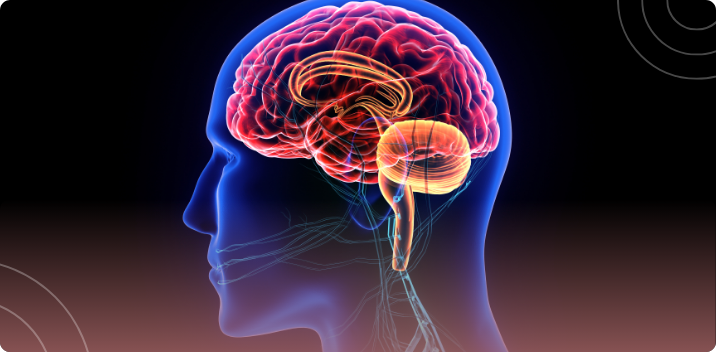
3D qEEG brain mapping records the brain's electrical signals across many scalp locations at once, then analyzes the resulting brainwave patterns in three dimensions. It shows whether specific regions are operating within healthy frequency ranges and whether they are communicating efficiently, turning vague symptoms into objective, region-by-region data.
The brain communicates through measurable electrical signals that produce distinct frequency patterns depending on the region involved and the cognitive task being performed. These patterns, known as brainwaves, reflect how efficiently different areas of the brain are functioning and how well they are talking to one another. Quantitative electroencephalography, or qEEG, builds on the standard electroencephalogram (EEG), a painless test that, according to Mayo Clinic's overview of how an EEG detects electrical impulses, captures activity through small electrodes resting on the scalp. Cleveland Clinic similarly describes how an EEG tracks the brain's electrical signals without sending anything into the brain.
The recorded data reveals whether specific brain regions are operating within healthy ranges, whether connectivity between regions is intact, and whether any anomalies are present that may correspond to the symptoms a client is experiencing.
Why 3D Analysis Goes Beyond Traditional Brain Mapping
Traditional qEEG maps present brainwave data as flat, two-dimensional colored images based on normative database comparisons. While this approach provides a basic surface-level view of cortical activity, it does not capture the full complexity of how the brain's networks function as an integrated three-dimensional system.
Our 3D qEEG brain mapping process uses a multi-layer analysis framework that goes far beyond what standard brain mapping centers offer. The technology integrates 19-channel EEG recording systems with advanced analytical software including Neuroguide, WinEEG, MATLAB, EEGLAB, ICA machine learning, SIFT, and EEGer to produce a depth of analysis that cannot be replicated through basic imaging alone.
What Are the Five Layers of the Brain Mapping Framework?
The brain mapping process is organized into five analytical layers. Each layer adds a new dimension of clinical insight, moving from surface readings up through spectral patterns, true 3D modeling, machine learning component analysis, and a final functional interpretation that ties brain activity to a client's real-world experience.
Layer One and Layer Two: Surface and Spectral Analysis
The foundation begins with surface EEG identification, comprehensive artifact removal, vigilance analysis to assess alertness and attention states, and detailed spike analysis for anomaly detection. The second layer builds on this through two-dimensional spectral analysis examining frequency patterns, comparative analysis against multiple normative databases, and connectivity analysis showing how brain regions are communicating at the surface level.
Layer Three and Layer Four: Advanced 3D and 4D Modeling
The third layer introduces true three-dimensional modeling through 3D comparative analysis, 3D machine learning ICA analysis for advanced component separation, and 3D connectivity analysis that reveals complex network interactions beyond what surface maps can show. The fourth layer applies multivariate coherence analysis and component analysis for complex pattern recognition and prediction, using machine learning to identify relationships within the brain's activity that would otherwise remain invisible.
Layer Five: Functional Meta-Analysis
The fifth and final layer integrates all preceding layers into a comprehensive functional interpretation of the brain's patterns. This stage produces the clinical correlation between observed brain activity and a client's specific symptoms and behaviors, giving providers the precise information needed to design an individualized brain training protocol.

What Conditions Can 3D qEEG Brain Mapping Help Support?
Brain mapping is not limited to a single condition or age group. The 3D qEEG assessment serves as the diagnostic foundation for a tailored neurofeedback program across a wide range of neurological and behavioral concerns, because each pattern it reveals points to a specific, trainable target rather than a broad label.
ADHD and Attention Difficulties
ADHD produces identifiable brainwave signatures that can be detected through qEEG analysis. Mapping these patterns lets the clinical team design training precisely targeted at the regions and frequency imbalances contributing to attention difficulties, impulsivity, and working memory challenges. Research on how qEEG identifies neurophysiological subtypes in ADHD describes distinct profiles such as cortical hypoarousal and hyperarousal, while also noting that no single ratio captures every case, which is exactly why a layered, individualized map matters.
Anxiety and Depression
Both anxiety and depression are associated with measurable patterns of dysregulated brain activity. Brain mapping identifies these patterns with specificity, enabling a protocol tailored to the individual rather than a generalized approach based on symptom category alone.
Mild Cognitive Decline and Brain Fog
Adults experiencing memory difficulties, slowed processing speed, or persistent mental fog often show identifiable changes in brainwave activity during qEEG analysis. Some forgetfulness is a normal part of aging, but the National Institute on Aging notes that more noticeable memory changes can signal mild cognitive impairment and deserve professional evaluation. For clients exploring support for mild cognitive decline, mapping provides a clinical baseline from which training can target the specific networks involved in memory consolidation and cognitive efficiency.
OCD, Autism, and Learning Differences
Conditions such as OCD, autism spectrum patterns, and learning differences each produce distinct neurological signatures that become visible through advanced brain mapping. Understanding how these affect individual brain networks allows for programming that addresses the root-level patterns rather than symptoms alone.
What Can Clients Expect From the Brain Mapping Process?
The 3D qEEG session is a comfortable, non-invasive process. Small sensors are placed on the scalp to measure the brain's existing electrical activity through the EEG recording system. These sensors function only as listeners, transmitting nothing into the brain and producing no discomfort, so clients simply relax while the system captures the data needed for analysis.
Following the recording session, the multi-layer analytical process is applied to produce the complete 3D brain map. This map serves as the detailed blueprint that guides every aspect of the client's individualized training protocol.
A Personalized Plan Grounded in Clinical Data
Every client is recognized as a unique individual with a distinct neurological profile, personal history, and set of goals. The brain map does not produce a generic report. It produces a precise, client-specific analysis that PhD scientific advisors and trained clinicians use to design a program aligned with the exact patterns present in that individual's brain.
This commitment to individualized, data-driven care is what separates the 3D qEEG process from the basic brain mapping services available at most centers. The depth of analysis directly determines the precision of the training that follows.
Why Does Brain Mapping Matter Before Brain Training Begins?
Starting brain training without a map is like beginning a route with no destination. A precise methodology built on quantitative data removes that uncertainty by establishing an objective picture of where the brain is functioning well and where targeted training can produce meaningful change.
Clients who undergo brain mapping before beginning training move forward with greater confidence because every session is built on a specific clinical rationale rather than general protocol assumptions. Neurofeedback itself is a form of self-regulation; a comprehensive review describes how neurofeedback teaches self-control of brain function by measuring brainwaves and feeding that information back through audio and visual cues. Our providers stay focused on your evolving neurological needs over time and use follow-up mapping to track changes objectively and refine protocols as progress develops.
This commitment to long-term, data-informed care helps ensure that clients are not simply completing sessions but building measurably stronger neural pathways with each phase of training.

Frequently Asked Questions
Is 3D qEEG brain mapping safe and painful?
The process is non-invasive and painless. Sensors rest on the scalp and only listen to the brain's natural electrical activity, transmitting nothing into the brain. Most clients find the session relaxing and experience no discomfort or after-effects.
How is 3D qEEG different from a standard EEG?
A standard EEG records raw electrical activity, often to check for issues like seizures. The 3D qEEG adds quantitative, multi-layer analysis that compares your patterns to normative databases and models connectivity in three dimensions, producing a far more detailed functional picture for guiding brain training.
Do I need a brain map before starting neurofeedback?
A brain map is strongly recommended because it gives the clinical team an objective baseline. Without it, training relies on general assumptions; with it, each protocol targets the specific frequency imbalances and network patterns unique to your brain, which supports more confident, individualized care.
Can I get 3D qEEG brain mapping if I live outside Los Angeles?
Yes. While in-office sessions are available in Pasadena, we also support clients nationwide through remote programs. People throughout the Los Angeles area and across the country can begin with a comprehensive brain mapping assessment and ongoing follow-up.
How long does the brain mapping process take?
The scalp recording portion is brief and comfortable, typically completed in a single relaxed session. The deeper value comes afterward, when the five-layer analytical process is applied to produce your complete 3D map and the clinical interpretation that guides your personalized plan.
Begin Your Journey With 3D qEEG Brain Mapping in Los Angeles, CA
Addressing the neurological patterns behind cognitive, behavioral, and emotional concerns calls for a proactive approach grounded in clinical precision. 3D qEEG brain mapping in Los Angeles, CA can provide the detailed neurological roadmap needed to pursue brain training with confidence and clarity.
Our clinical team is dedicated to providing the scientific expertise and individualized support required for meaningful, lasting results. Clients throughout the Los Angeles area and across the country are welcome to begin with a comprehensive brain mapping assessment. Taking this step equips you with an accurate picture of your brain and puts a precise, personalized path to improvement in your hands.
Ready to take the next step?
Talk with the Vital Brain Health team about a Brain Mapping (qEEG) plan built around your brain and your goals.