Neurofeedback for Insomnia & Sleep Disorders in Los Angeles & Pasadena
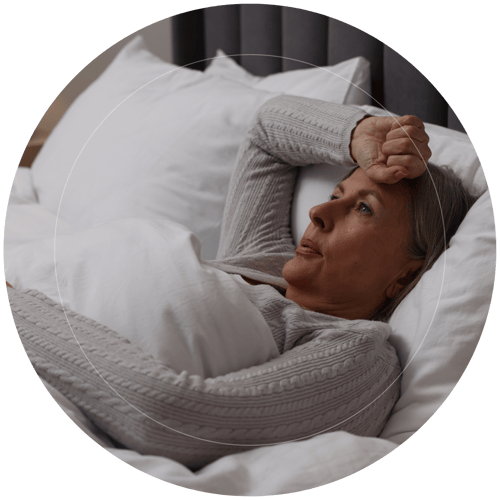
Insomnia is a frustrating condition wherein people have trouble falling or staying asleep. This sleep disorder can negatively impact a person's energy, mood, and even put strain on their relationships with their families as they struggle to keep up with their loved ones.
If you're struggling with chronic insomnia, contact Vital Brain Health. We have therapies for supporting clients with insomnia that can help you understand the cause of the condition and get you a restful night's sleep.
Schedule an appointment for insomnia relief with Vital Brain Health today.
At a Glance
Neurofeedback at Vital Brain Health is a drug-free, non-invasive approach that uses qEEG brain mapping and real-time feedback to retrain how the brain regulates itself. For insomnia and other sleep disorders, it targets the brain communication patterns tied to poor sleep, helping you fall and stay asleep without medication.
What is Insomnia?
Insomnia is a condition wherein a person experiences disruptions in how they sleep. This can involve not sleeping well or not sleeping enough. Insomnia can be caused by a range of factors ranging from genetics to brain-based conditions.
Insomnia is one of several sleep disorders, a broader group of conditions that disrupt how, when, and how well a person sleeps. Many sleep problems share an underlying thread: a brain that has trouble shifting into and holding the calmer states that allow for deep, restorative rest. Because neurofeedback works by retraining those very brain communication patterns, it can support people dealing with insomnia as well as other sleep disorders and ongoing sleep problems.
At Vital Brain Health, we are dedicated to relieving insomnia with our excellent and innovative techniques. We avoid unnecessary medications with our approach while still providing you optimal relief.
If you’re struggling with chronic insomnia, schedule an appointment today. Our staff is ready to work with you to alleviate your condition.
Common Risk Factors Associated With Sleep Problems
Understanding the potential risk factors associated with insomnia can help you prevent it in the future. For those already experiencing insomnia, it can be helpful to understand the causes in order to identify what may have caused your condition. Insomnia is often the result of one of a variety of factors:
Medical Conditions
Medical conditions like acid reflux, Parkinson's disease, and other conditions that can negatively impact your circadian rhythm can contribute to the development of insomnia.
Brain-Based Conditions
Anxiety and depression are common causes of insomnia, along with other related conditions.
Life Changes
Jet lag, sleeping in an unfamiliar place, or adjusting to a new work schedule can all cause insomnia.
Sleep Habits
Poor sleep habits can contribute to insomnia.
Key takeaway
If insomnia or another sleep disorder is draining your energy, mood, and relationships, Vital Brain Health offers drug-free, qEEG-guided neurofeedback that helps your brain settle into restful, restorative sleep.
What symptoms are associated with insomnia?
Symptoms of insomnia can vary in type and severity. Some of the symptoms that benefit from an evaluation at Vital Brain Health include:
If you want to dig deeper before your visit, start with our complete guide to neurofeedback for insomnia and sleep disorders, which walks through how brain training supports deeper, more consistent rest. You can also read what the research shows about neurofeedback and insomnia to understand how this drug-free approach fits into a plan for better sleep.
What are the Support Options for Insomnia?
Vital Brain Health offers different types of support, each serving a different purpose. Some of the support options you may be recommended include:
Frequently Asked Questions
Yes, individuals with anxiety typically experience: • Emotional processing suite being stuck on high-alert frequency channels in people with anxiety • Stress response command center over-communicating threat signals to other areas in individuals with anxiety disorders • Worry networks dominating communication channels and overwhelming other systems in people experiencing anxiety • Cognitive control rooms struggling to regulate or calm emotional responses in individuals with anxiety • Relaxation systems being under-connected and difficult to access for people with anxiety disorders All of these factors can contribute to the development of insomnia.
Our support, either through in office or professionally-guided home brain training, addresses the specific brain communication patterns that create and maintain insomnia, helping individuals develop more balanced emotional regulation and stress management capabilities.
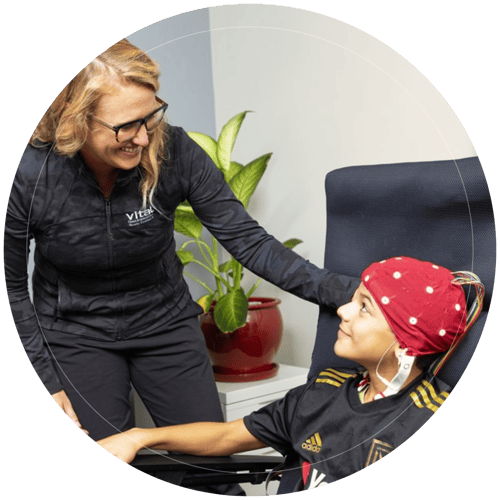
Our Professionally-guided Home Neurofeedback 3.0 brings our premium brain training directly to your home with professional supervision and personalized protocols. You'll receive advanced equipment, customized training based on your brain assessment, and ongoing guidance from our certified practitioners. This solution delivers sophisticated brain training while eliminating travel stress for busy families and professionals.
Yes. While insomnia is the most familiar sleep complaint, it is one of several sleep disorders, and many sleep problems involve a brain that struggles to settle into and maintain restful states. Neurofeedback works by retraining those brain communication patterns, so it can support people facing a range of sleep disorders, not just classic insomnia. Your qEEG brain map helps us tailor the training to the specific patterns showing up in your sleep.
Persistent trouble falling asleep, staying asleep, or feeling rested can point to insomnia or to other sleep disorders, and the two can overlap. The clearest way to understand what is happening in your case is an evaluation. At Vital Brain Health, qEEG brain mapping gives us an objective look at how your brain is regulating itself, which helps us understand your sleep problems and recommend a drug-free, personalized neurofeedback plan.
There is no single number that fits everyone, because training is individualized from your qEEG brain map. Many training plans run in the range of 30 to 40 sessions over several months. The exact plan for your sleep comes from the initial evaluation, once we can see how your brain is regulating itself.
Neurofeedback is non-invasive and drug-free. Nothing enters the brain during a session; the sensors only read your brain activity while the system gives your brain real-time feedback. Some people notice temporary tiredness after early sessions, and that typically fades as training continues.
Enriquez-Geppert, Stefanie, et al. "The Morphology of Midcingulate Cortex Predicts Frontal-Midline Theta Neurofeedback Success." Frontiers in Human Neuroscience, vol. 7, 2013, pp. 1-10. Gruzelier, John H. "EEG-Neurofeedback for Optimising Performance. I: A Review of Cognitive and Affective Outcome in Healthy Participants." Neuroscience & Biobehavioral Reviews, vol. 44, 2014, pp. 124-141. Ros, Tomas, et al. "Consensus on the Reporting and Experimental Design of Clinical and Cognitive-Behavioural Neurofeedback Studies (CRED-nf Checklist)." Brain, vol. 143, no. 6, 2020, pp. 1674-1685. Thibault, Robert T., et al. "Neurofeedback, Self-Regulation, and Brain Imaging: Clinical Science and Fad in the Development of a Neurotechnology." NeuroImage, vol. 76, 2013, pp. 120-129. Sherlin, Leslie H., et al. "Neurofeedback and Basic Learning Theory: Implications for Research and Practice." Journal of Neurotherapy, vol. 15, no. 4, 2011, pp. 292-304. Micoulaud-Franchi, Jean-Arthur, et al. "Electroencephalographic Neurofeedback: Level of Evidence in Mental and Brain Disorders and Suggestions for Good Clinical Practice." Neurophysiologie Clinique, vol. 45, no. 6, 2015, pp. 423-433. Bitbrain Technologies. "What is QEEG Brain Mapping & How to Interpret It."Bitbrain Blog, 30 Apr. 2025, www.bitbrain.com/blog/qeeg-brain-mapping.

Get the Neurofeedback You Need
Whether you're in the Los Angeles area or elsewhere in the United States, we can provide you the services you need.

Reach Out To Us
Professional Certifications