
Neurofeedback for Executive Function in Children, Los Angeles & Pasadena
Executive functions in the brain, such as organization, problem-solving, planning, and memorizing, are all things children struggle with at early ages. However, for some children, their executive functions seem to have trouble. Executive functioning deficits and executive function disorder can have a major impact on your child's development and brain health.
If your child is struggling with their executive function, you need a trainer who can help them overcome their condition. At Vital Brain Health, we can help you heal without the need for excessive medication or invasive procedures.
At a Glance
Neurofeedback is drug-free, non-invasive brain training. At Vital Brain Health we use qEEG brain mapping to guide real-time feedback that helps a child's brain regions communicate more effectively, strengthening the focus, organization, planning, and self-regulation that executive function depends on, no medication required.
What is Executive Function Disorder in Children?
Executive function disorder is a condition where children have trouble with their executive functions. This can include things like forgetting important assignments, being unable to organize, and struggling to follow directions. Executive function disorder can often stem from other conditions such as attention-deficit hyperactivity disorder (ADHD) or autism spectrum disorder.
At Vital Brain Health, we are dedicated to helping your child excel with the help of our advanced therapies. We avoid unnecessary medications and procedures while still providing your child with safe and optimal care.
If your child is struggling with executive function disorder, schedule an appointment with Vital Brain Health today.
Common Risk Factors Associated With Executive Function Disorder
Understanding the risk factors associated with executive function disorder can help you identify the best medical trainer for your child. Identifying the possible cause can also help trainers identify the best support for your child's needs. Executive function disorder is often the result of one of a variety of factors:
ADHD
ADHD often affects a child's concentration and active memory, making them more forgetful and disorganized.
Autism
Low-functioning and high-functioning autism can impact a child's executive functions.
Depression
Depression can impact memory and organization, especially in children.
Concussions
Concussions and traumatic brain injuries can impact the brain in various ways, including triggering executive function disorder.
Learning Disabilities
Certain learning disabilities can impact a child's organization and memory.
Key takeaway
If your child struggles with focus, organization, and follow-through, Vital Brain Health offers personalized, drug-free neurofeedback in Los Angeles and Pasadena to help their executive function grow.
What symptoms are associated with executive function disorder?
Symptoms of executive function disorder can vary in type and severity. Some of the symptoms that benefit from an evaluation at Vital Brain Health include:
Because ADHD is one of the most common roots of executive function struggles, many families find our parent's guide to neurofeedback for ADHD in children a helpful next read. And if you are wondering what a realistic timeline looks like, our clinicians break down how long neurofeedback takes to work so you know what to expect before your child's first session.
What are the Support Options for Executive Function Disorder?
Vital Brain Health offers different types of support, each serving a different purpose. Some of the support options you may be recommended include:
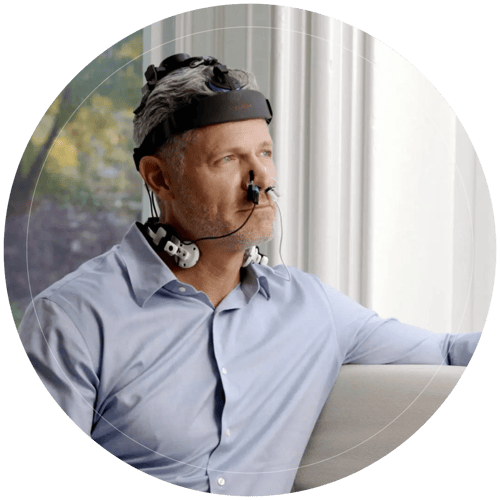
Photobiomodulation
Photobiomodulation uses low-level lasers to help stimulate certain parts of the brain. This can help improve memory and concentration.
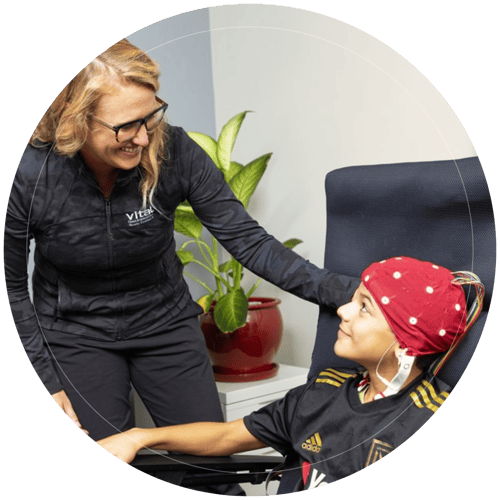
Neurofeedback
Neurofeedback utilizes advanced brain training to optimize your brain’s natural function using real-time feedback. This can help the different parts of your brain communicate more effectively, which in turn improves focus, emotional regulation, and cognitive performance. Best of all, no part of this process requires medication.
Frequently Asked Questions
Neurofeedback represents the evolution of brain optimization: a scientifically-validated method that harnesses your brain's natural neuroplasticity to improve cognitive function. At Vital Brain Health, we've pioneered what we call Neurofeedback 3.0, representing an integrated multi-modal training approach that combines the best elements from all available methods and technologies.
Neurofeedback operates on the principle of operant conditioning combined with neuroplasticity, your brain's remarkable ability to reorganize and optimize itself throughout life. At Vital Brain Health, our Neurofeedback 3.0 protocols represent the most sophisticated application of this science: an integrated multi-modal approach that combines traditional methods with cutting-edge technologies including AI-based analysis, machine learning algorithms, network connectivity analysis, and adaptive protocols that evolve based on your individual progress and response patterns.
Yes, our neurofeedback helps neurons in your target brain rooms fire together in synchronized frequencies while you train. As these rooms get rewarded for tuning to the same channel through our visual feedback system, they trigger new nerve connections that grow during sleep, particularly during REM sleep. As you progress through your training, we make the feedback criteria more challenging so that neurons in your target areas create even stronger neuroplastic connections, allowing them to stay synchronized longer and better over time.
Every child's training plan is individualized, and it starts with the qEEG brain map from the initial evaluation. Many training plans run in the range of 30 to 40 sessions over several months, but the exact number for your child comes from what the evaluation shows and how their brain responds along the way. We walk you through the recommended plan before training begins.
Yes, neurofeedback is non-invasive and drug-free. Nothing enters your child's brain during a session: the sensors only read brain activity while the visual feedback does the teaching. Some children notice temporary tiredness after their early sessions, much like after a good workout, and this usually fades as training continues.
Yes. Vital Brain Health runs nationwide remote programs with home training equipment and clinician oversight, so families outside the Los Angeles and Pasadena area can follow the same qEEG-guided training plan from home.
Enriquez-Geppert, Stefanie, et al. "The Morphology of Midcingulate Cortex Predicts Frontal-Midline Theta Neurofeedback Success." Frontiers in Human Neuroscience, vol. 7, 2013, pp. 1-10. Ros, Tomas, et al. "Consensus on the Reporting and Experimental Design of Clinical and Cognitive-Behavioural Neurofeedback Studies (CRED-nf Checklist)." Brain, vol. 143, no. 6, 2020, pp. 1674-1685. Putman, Joel A., et al. "TOVA Results Following Interhemispheric Bipolar EEG Training." Journal of Neurotherapy, vol. 9, no. 1, 2005, pp. 37-52.

Get the Neurofeedback You Need
Whether you're in the Los Angeles area or elsewhere in the United States, we can provide you the services you need.

Reach Out To Us

Professional Certifications