
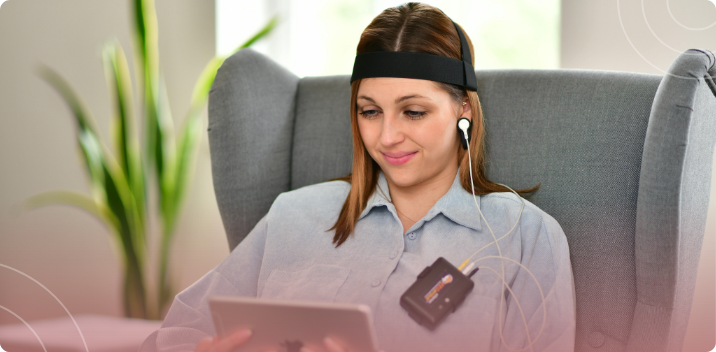
Neurofeedback training is simple and non-invasive. You will sit comfortably while sensors monitor your brain's electrical activity. Then you will engage in activities that feel like video games while receiving real-time feedback about your brainwave patterns. A little preparation goes a long way toward getting clean readings and a productive session.
Most neurofeedback sessions in Los Angeles last 45 to 60 minutes. The actual training time is typically 30 to 40 minutes, with additional time for sensor placement and reviewing your progress with your brain trainer. Use the checklist below to walk in ready.
What should you avoid before a neurofeedback session?
Avoid extra caffeine, any alcohol the night before, and starting new medications without telling your trainer. Each of these shifts your brainwave patterns and can muddy the feedback your brain receives. Sticking close to your normal routine gives the cleanest baseline for training.
Skip the extra caffeine: While you do not need to eliminate caffeine completely, avoid drinking more than your usual amount before training. Caffeine measurably changes resting brain activity, and studies on caffeine and brainwave patterns show it can suppress the slower alpha rhythms tied to a calm, idling brain. If you normally have one cup of coffee in the morning, that is fine. Just skip that third espresso before your appointment.
Hold off on alcohol: Alcohol affects brainwave patterns and sleep architecture for many hours after consumption. Even one drink the night before can disrupt the brain's electrical activity during sleep and reduce training effectiveness the next day.
Be mindful of new medications: If your doctor prescribes a new medication, let your trainer know before your next session. Changes in medication can temporarily alter brainwave patterns, and your trainer may want to note it when reviewing your results.
What should you eat before neurofeedback training?
Eat a light, balanced meal 1 to 2 hours before your session so you arrive with steady energy and no blood sugar crash. Protein paired with complex carbohydrates works best because it keeps your focus stable through the full training window without leaving you sluggish.
Think turkey sandwich, Greek yogurt with fruit, or eggs with whole grain toast. Avoid heavy, greasy meals right before training. A full stomach can make you drowsy, which affects your ability to engage with the training activities and stay alert while your brain learns.
How should you prep your hair, scalp, and clothing?
Show up with clean, dry hair, no styling products, and comfortable clothes. Clean hair lets the sensors make solid contact with your scalp, which is what produces clear brainwave readings, while loose clothing keeps you relaxed through a session where you sit still for 45 to 60 minutes.
Wash your hair the morning of your appointment using regular shampoo, and skip heavy conditioners, oils, hair products, or dry shampoo on training days. If you use gel, mousse, or styling products, wash them out first, because buildup is the most common reason readings come out noisy. For clothing, many clients prefer athletic wear or casual clothes, and it helps to avoid turtlenecks or anything that covers the neck and ears, since some protocols place sensors in that region. Also skip metal hair accessories, which can interfere with the sensors.
What should you bring and how early should you arrive?
Plan to arrive 10 minutes early and bring your training log, water, and any questions from between visits. Arriving with a few quiet minutes to spare lets your nervous system settle, because rushing in with elevated stress affects your initial brainwave readings, and that first snapshot helps shape the rest of the session.
Traffic in LA can be unpredictable, so if you are coming to our Pasadena location during rush hour, build in extra time, as the 110 and 210 freeways can get congested in the late afternoon. Bring your training log if you track symptoms between sessions, since it helps your trainer fine-tune your protocol, and take your regular medications as prescribed unless your doctor advises otherwise. If you are working with adult ADHD and attention challenges, anxiety, or depression, this kind of consistency helps your trainer track your progress accurately from one visit to the next.
How should you mentally prepare for effective training?
Come in with an open, engaged mindset, because brain training works best when you actively participate rather than passively sit. Think of it like learning any new skill: the more present you are, the faster your brain picks up the pattern it is being guided toward.
Do not stress about performing well during training. There is no way to fail at neurofeedback. As clinicians at Cleveland Clinic explain, biofeedback and neurofeedback give you real-time signals so your brain can gradually develop voluntary control over patterns that are usually automatic. Your brain naturally moves toward more efficient patterns when given the right feedback.
What happens during and after your session?
During the session your trainer places sensors on specific scalp locations based on your brain map and protocol, and you watch a screen or play simple games that respond to your brainwaves. The sensors only read activity, they never send signals into your brain, so the process is completely non-invasive. Afterward, your brain keeps optimizing on its own.
When your brain produces optimal patterns, you receive positive feedback through the visuals. This real-time feedback teaches your brain to maintain healthier activity patterns. Those new neural connections strengthen during sleep, which is why quality rest matters on training days, and sleep is when the brain consolidates learning. Some clients notice temporary fatigue or mild headaches after their first few sessions as the brain adapts, and these mild effects typically resolve within a few hours.
How often should you train for the best results?
Consistency matters for effective brain training. Most clients train 2 to 3 times per week for optimal results, so schedule your appointments at regular intervals when possible. Steady repetition gives your brain the practice it needs to lock in new patterns, much like the steady, quality sleep that supports overall brain health.
For clients who live more than an hour from our Pasadena office, we offer remote neurofeedback training programs using our proprietary hardware and software. That means you can keep your sessions consistent even when an in-person visit is not practical that week.
Frequently Asked Questions
How long does a neurofeedback session take?
Most sessions run 45 to 60 minutes from start to finish. The actual training is usually 30 to 40 minutes, with the rest of the time spent on sensor placement and a quick review of your progress with your trainer.
Can I drink coffee before my neurofeedback appointment?
Your normal cup is fine, but avoid extra caffeine before training. Research on caffeine and brainwaves shows it changes your resting brain activity, which can interfere with the feedback process. Keeping to your usual amount gives the cleanest baseline.
Do I need to wash my hair before a session?
Yes. Clean, dry hair with no oils or styling products helps the sensors make good contact with your scalp. Product buildup is the most common cause of noisy readings, so wash with regular shampoo the morning of your appointment and skip conditioner.
Is neurofeedback safe and non-invasive?
Neurofeedback is non-invasive. The sensors only read your brain's electrical activity, they never send any signal into your brain. Some people feel mild, short-lived fatigue or a light headache after early sessions as the brain adapts, and that usually passes within a few hours.
Can I do neurofeedback if I live far from Pasadena?
Yes. For clients more than an hour from our Pasadena office, we offer remote training programs using proprietary hardware and software. This lets you keep your sessions consistent from home, which is important since regular training drives the best results.
Ready to take the next step?
Talk with the Vital Brain Health team about a Neurofeedback plan built around your brain and your goals.