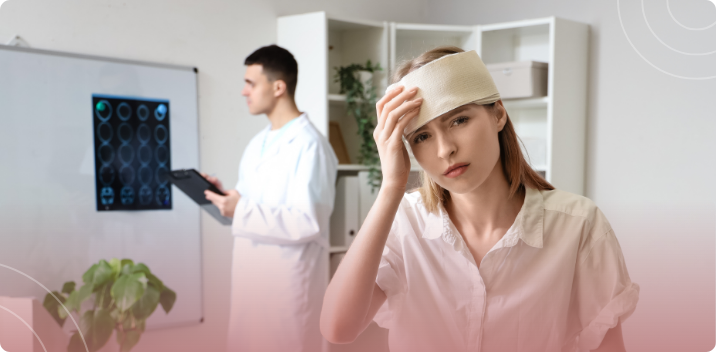
A concussion is more than just a bump on the head. It disrupts the electrical communication between different regions of your brain, like interference on a radio signal. When the brain's "rooms" can't communicate effectively after an injury, you experience symptoms like brain fog, headaches, mood changes, and difficulty concentrating.
Traditional concussion treatment often focuses on rest and time. But many Los Angeles residents dealing with post-concussion syndrome find that symptoms linger for months or even years. That is where neurofeedback training for concussion recovery comes in, offering a way to actively retrain the brain rather than simply waiting it out.
How does a concussion actually affect your brain?
A concussion scrambles the brain's electrical communication, leaving certain regions overactive while others struggle to keep up. That dysregulation is what produces the headaches, fog, and mood shifts that linger long after the visible injury heals. Understanding this electrical disruption is the first step toward targeted recovery.
After a traumatic brain injury, your brain's electrical patterns become dysregulated. Think of it like your brain's communication system getting scrambled. The "attention control room" might be working overtime while the "memory library" struggles to file information correctly. Health authorities describe a concussion as a type of mild traumatic brain injury caused by a jolt to the head or body, and even a mild TBI can take weeks or months to settle.
Detailed qEEG brain mapping for concussion patients lets us see exactly which brain regions are affected by your injury. This creates a blueprint showing where your brain needs the most support for optimal recovery, rather than guessing at protocols.
Why is neurofeedback effective for concussion recovery?
Neurofeedback works by teaching your brain to restore healthy communication patterns between injured regions. Using real-time feedback, your brain gradually learns to optimize its own activity without medication or invasive procedures. It is a learning process, not a drug, which is why so many people pursue it after a head injury.
Published research suggests that brainwave training can help reduce TBI symptoms related to attention, mood, and overall self-regulation, though clinicians agree more controlled studies are still needed. At Vital Brain Health, we use comprehensive multi-modal training to target the specific areas affected by your concussion. This personalized approach is built around your brain, not a one-size-fits-all template.
What post-concussion symptoms can neurofeedback help with?
Neurofeedback can support recovery across the four main symptom clusters that follow a concussion: cognitive, physical, emotional, and sleep-related. Because brain mapping shows which clusters are most active for you, the training can be aimed where it matters most rather than spread thin across everything.
Cognitive Challenges: Many Los Angeles professionals dealing with concussion symptoms struggle to return to work. Brain fog, memory problems, and difficulty processing information are among the most frustrating effects. Major clinical references note that concussion symptoms can affect how a person thinks, remembers, and concentrates. Brain training helps retrain the regions responsible for focus, memory, and mental clarity.
Physical Symptoms: Persistent headaches, sensitivity to light and sound, and balance problems can make daily life challenging. By helping your brain restore optimal activity patterns, neurofeedback training provides support for reducing these physical symptoms over time.
Emotional Regulation: Low mood, anxiety, and irritability often follow brain injuries. These are not character flaws but the result of disrupted brain activity. Neurofeedback helps retrain emotional processing centers to restore balance and stability.
Sleep Disruption: Many concussion patients in Los Angeles report severe sleep problems. Neurofeedback training can help restore healthy sleep-wake cycles by optimizing the brainwave patterns that regulate rest and recovery.
What does the Vital Brain Health approach to concussion recovery look like?
Every recovery plan starts with a detailed brain map and ends with a personalized training program designed around your specific injury. Nothing is generic, because no two concussions disrupt the brain in exactly the same way. This is what separates targeted brain training from a standard rehab protocol.
We start every client with a comprehensive 3D qEEG brain map. This advanced imaging technique shows us exactly where your injury has affected brain activity. Unlike basic brain scans, our multi-layer analysis reveals the complete picture of your brain's current functioning.
Based on your personalized brain map, we design a targeted neurofeedback program for post-TBI recovery. Most concussion recovery programs run about four months, though severe injuries may require additional training. Each session helps your brain build new neural connections that support long-term healing. If you want to understand the broader picture of recovery, our overview of post-concussion care for adults explains how the symptoms fit together.
What should you expect during a training session?
Neurofeedback training for concussion recovery is completely non-invasive. You will sit comfortably while sensors monitor your brainwave activity. Then you will engage in activities that feel like simple video games while your brain receives real-time feedback about its performance.
As your brain learns to optimize its own activity, you will notice improvements in focus, memory, mood, and physical symptoms. Many of our Los Angeles clients report feeling sharper and more like themselves after just a few weeks of consistent training.
Why do Los Angeles athletes and professionals choose neurofeedback?
From youth sports injuries at LA schools to professional athletes with multiple concussions, we serve clients across the greater Los Angeles area. Many come to us after consultations with UCLA Health or USC sports medicine, seeking non-medication approaches to brain recovery.
We work with clients from West LA to Pasadena who need comprehensive support without the side effects of pharmaceuticals. The risk is real: national neurological sources warn that repeated concussions raise the danger of long-term brain problems, which is why so many athletes look for proactive recovery rather than another round of rest. Our brain training helps you return to work, school, or athletic performance safely and effectively.
Can neurofeedback be combined with other concussion treatments?
Yes, neurofeedback training is designed to work alongside other concussion therapies rather than replace them. Combining brain training with complementary care often addresses more aspects of recovery at once. This collaborative model is especially useful for stubborn, long-lasting symptoms.
Many of our Los Angeles clients combine our brain training with physical therapy, vestibular rehabilitation, or vision therapy. We also coordinate care with your neurologist, sports medicine physician, or other healthcare providers. When symptoms persist for months, what clinicians call post-concussion syndrome, a multi-pronged approach tends to serve people best. Our team believes in supporting your complete recovery journey with evidence-based methods backed by PhD scientific advisors.
What makes post-concussion brain training different from other protocols?
Not all neurofeedback providers understand the complexities of brain injury recovery. Concussion cases require specialized protocols that differ from training designed for attention or anxiety. Our advanced training methods and 3D brain mapping ensure we target the right brain regions with appropriate protocols for your injury.
Timing matters too. While neurofeedback can help at any stage of recovery, starting training within the first year after injury often produces the best outcomes. That said, we have successfully helped Los Angeles clients recover from concussions sustained years earlier, so it is rarely too late to start.
Getting started with concussion recovery in Los Angeles
If you are struggling with persistent concussion symptoms, neurofeedback training offers real hope for recovery. The process begins with comprehensive 3D qEEG brain mapping so your program reflects your unique brain. We serve clients throughout Los Angeles County, including remote training options for those who live further away.
Our team is dedicated to helping you overcome post-concussion challenges and reclaim your quality of life. Whether you experienced your injury in a car accident, sports collision, or fall, we provide the personalized brain training you need to heal and move forward.
Frequently Asked Questions
How long does neurofeedback take to work for a concussion?
Most concussion recovery programs run about four months, though severe injuries may need additional sessions. Many clients notice early improvements in focus, mood, and sleep within the first few weeks of consistent training. Your brain map helps set realistic expectations for your specific injury.
Is neurofeedback safe after a traumatic brain injury?
Yes. Neurofeedback is non-invasive and uses no medication, no electrical stimulation into the brain, and no surgery. Sensors simply read your brainwave activity while your brain learns to self-regulate. It is generally well tolerated, which is part of why people seek it out after a head injury.
Can neurofeedback help if my concussion happened years ago?
It can. While starting within the first year after injury often produces the strongest outcomes, the brain remains capable of forming new connections later on. We have helped Los Angeles clients make meaningful progress from concussions sustained years earlier, so an older injury does not rule out training.
Do I need brain mapping before starting concussion training?
Brain mapping is strongly recommended because it shows exactly which regions your injury affected. A 3D qEEG brain map turns guesswork into a clear blueprint, letting us aim training at the areas that need the most support. This personalization is what makes the program effective.
Can I do concussion neurofeedback remotely from outside Los Angeles?
Yes. After your initial brain mapping, many clients continue with supervised remote training from home. This is especially helpful for people who live outside central Los Angeles or who have travel or scheduling limits during recovery.
Ready to take the next step?
Talk with the Vital Brain Health team about a Neurofeedback plan built around your brain and your goals.