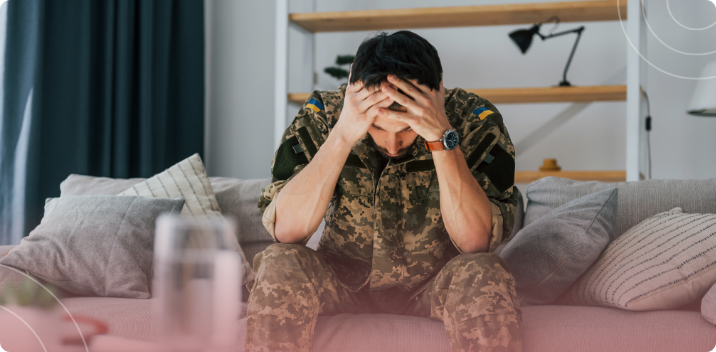
For many veterans in the Pasadena area, the challenges of military service don't end when they come home. Post-traumatic stress disorder (PTSD) can create ongoing struggles that affect work, relationships, and daily life. Hypervigilance, recurring memories, emotional disconnection, and disrupted sleep often persist despite trying traditional treatment approaches.
Our Pasadena and Los Angeles brain training center serves veterans who want non-invasive, drug-free options for addressing PTSD symptoms. We recognize that every veteran's experience is different, and we focus on helping retrain the brain's stress response patterns rather than masking them. If you have spent years cycling through approaches that never quite stuck, learning how neurofeedback retrains the PTSD response is a practical place to start.
What Does PTSD Actually Do to the Brain?
PTSD is a neurological response to trauma, not a character flaw. After you experience or witness traumatic events, the brain's threat detection system stays switched on even when the danger is over, which is why the symptoms feel so physical and automatic. Understanding the brain changes behind trauma in adults is the first step toward retraining them.
During combat situations, a heightened threat state helps you respond instantly to danger. The problem starts when that system cannot switch back off. According to the Cleveland Clinic's explanation of how trauma alters brain chemistry, changes in stress chemicals and in the brain regions that process memory and fear can keep the body locked in a prolonged state of alert. Your threat centers stay hyperactive while the areas that handle emotional balance and clear thinking have trouble working together.
That disconnect is what produces the symptoms you live with: flashbacks, nightmares, exaggerated startle reactions, concentration problems, and feeling emotionally distant from family and friends. National health agencies group PTSD symptoms into clusters like re-experiencing, avoidance, and heightened arousal, which lines up closely with what most veterans describe.
How Does Neurofeedback Work for Veterans?
Neurofeedback is brain training that supports your brain's own ability to regulate itself using real-time feedback. Sensors placed on the scalp track brainwave activity and give an immediate signal whenever your brain shifts toward calmer, more balanced patterns. Over many repetitions, the brain learns to hold those patterns on its own.
During a session, you might watch a movie or play a simple game. When your brain produces regulated brainwave patterns, the screen brightens or the game responds favorably. When activity drifts back toward an overactive state, the feedback changes. Nothing is sent into the brain, so this is entirely non-invasive. We simply measure the brain's electrical signals and show what is happening in the moment so it can practice better self-regulation. Veterans who want a closer look at the science can read more about drug-free neurofeedback in Los Angeles and how each protocol is tailored.
Many veterans also pair brain training with biofeedback for the body's stress response, which works on heart rate, breathing, and muscle tension. Together they address both the brain and the body that learned to stay on guard.
What Does the Research Say About Neurofeedback for PTSD?
The short answer is that the evidence is encouraging and growing. A systematic review and meta-analysis of neurofeedback for PTSD reported significant reductions in PTSD symptoms after treatment, along with positive effects on related concerns like depression and anxiety, while noting that the overall quality of evidence is still considered moderate.
Beyond reviews, controlled studies point in the same direction. A randomized controlled study of neurofeedback for chronic PTSD found that a course of EEG neurofeedback produced meaningful symptom improvement among people who had not responded to other approaches, with effect sizes the authors described as comparable to established trauma therapies.
What makes this approach different is where it works. Instead of only managing symptoms, brain training aims to shift how the brain handles stress and perceived threat at the source. That is why many veterans report that the gains, including fewer nightmares, less hypervigilance, steadier emotions, and better sleep, tend to hold after the training period ends. We never promise a specific outcome, and we will always talk through what the research can and cannot tell you.
Is Neurofeedback the Right Fit for Service-Connected Trauma?
Neurofeedback can be a strong fit for veterans because it is non-invasive, drug-free, and adaptable to a wide range of symptoms. It does not require you to relive or retell your trauma in detail, which appeals to many people who find talk-based approaches difficult. That said, the right fit always depends on your history, your goals, and your current care.
We have supported veterans from every service branch managing combat-related PTSD, military sexual trauma, and other service-connected challenges. Because PTSD is so common among those who have served, the U.S. Department of Veterans Affairs maintains detailed PTSD resources that we encourage clients to review alongside whatever we plan together. Whether you served in recent conflicts or earlier deployments, trauma-focused brain training for adults can be customized to your particular symptoms and objectives.
What Happens at Your First Visit?
Your first visit centers on a comprehensive qEEG brain mapping session. This advanced imaging creates a detailed picture of your brain's electrical activity and the way its networks communicate. Think of it as a roadmap that shows exactly where your brain is holding onto stress patterns, so the training that follows is targeted rather than generic.
During brain mapping we place sensors on your scalp and record brainwave activity while you rest and complete a few simple tasks. The process is painless and takes about an hour. What we gather shows how PTSD is affecting your specific brain networks, and it becomes the foundation for everything that comes next.
After analyzing your map, we build a personalized training plan. Most veterans complete somewhere between 20 and 40 sessions, each running about 45 minutes. Many notice changes in sleep and emotional steadiness within the first handful of sessions, with progress continuing as training goes on. We track your map over time so you can see the change, not just feel it.
Serving Veterans Across Pasadena and the San Gabriel Valley
We serve veterans throughout the San Gabriel Valley and the wider Los Angeles region, including those near the Pasadena VA Clinic, Old Pasadena, Colorado Boulevard, and neighboring communities such as Altadena and San Marino. We understand the specific needs of military families and work hard to keep the atmosphere respectful and supportive from your first phone call onward.
Living with PTSD does not make you damaged. Your brain adapted to extreme situations to keep you alive, and with the right support it can learn new response patterns that let you engage fully with civilian life. You have already shown remarkable strength through your service. Brain training simply helps your alert system understand that you are home now and safe.
Frequently Asked Questions
Is neurofeedback safe for veterans with PTSD?
Yes. Neurofeedback is non-invasive and drug-free, because nothing is sent into the brain. Sensors only read your brainwave activity and reflect it back to you. Side effects are typically mild and short-lived, and we monitor your response throughout the training process.
How many sessions will I need before I notice a difference?
Most veterans complete 20 to 40 sessions of about 45 minutes each. Many report better sleep and steadier emotions within the first several sessions, though individual timelines vary based on your qEEG brain map and the symptoms you are working on.
Do I have to talk about my trauma during neurofeedback?
No. Neurofeedback does not require you to retell or relive specific traumatic events. The training works at the level of brainwave patterns, which is one reason many veterans who find talk-based approaches difficult are drawn to it.
Can neurofeedback be combined with my other treatment?
In many cases, yes. Brain training is often used alongside other care, and pairing it with biofeedback for the body's stress response can address both the brain and the physical tension that trauma leaves behind. We will always coordinate around your existing plan and goals.
Is brain training available if I cannot travel to Pasadena often?
Our Los Angeles office provides convenient access from Pasadena, Colorado Boulevard, Old Pasadena, and throughout the San Gabriel Valley. We can also discuss schedules and remote options during your consultation so that distance does not become a barrier to starting.
Ready to take the next step?
Talk with the Vital Brain Health team about a Neurofeedback plan built around your brain and your goals.