
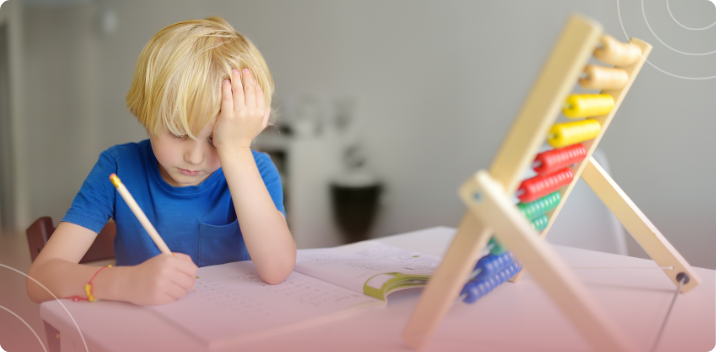
When your child battles with impulsivity, concentration challenges, or excessive activity, finding the right support can feel overwhelming. Neurofeedback offers a medication-free path forward, but many parents wonder about the minimum age for this type of brain training.
Children typically begin neurofeedback around ages 5 to 6, though some practitioners work with 4-year-olds who can remain seated for 20 to 30 minutes. At our Pasadena center, half of our clients are children, with most falling between 7 and 14 years old. We have helped families throughout Pasadena, Altadena, and the greater Los Angeles area discover this approach to brain-based support for children with ADHD.
What Is the Right Age to Start Brain Training?
Most children are ready for brain training around ages 5 to 7, because the approach depends on active cooperation rather than passive treatment. Your child needs to sit comfortably, focus on a screen, and stay relatively calm while sensors track brain activity. That does not require perfect behavior, just enough engagement to interact with exercises that resemble video games.
Children 7 and older generally adapt more easily because they have longer attention spans and grasp the training concept better. Many parents report their children enjoy sessions once they realize they are playing games or watching favorite programs during training. According to the Centers for Disease Control and Prevention, behavioral approaches are often recommended first for younger children, which makes a cooperative, skills-based method a natural fit for many families.
Brain training may suit your child if medication causes unwanted side effects, or if you want to try a medication-free route before considering pharmaceuticals.
How Does Neurofeedback Work for ADHD?
Neurofeedback works by translating your child's brainwave patterns into real-time feedback, so the brain can gradually learn to self-regulate. Think of the brain as a mansion with 19 specialized rooms: one for decision-making, another for storing memories, one controlling attention, and networks connecting everything together. Children with ADHD often have rooms that do not communicate efficiently.
During sessions, sensors placed on the scalp measure electrical brain activity through electroencephalography, the same kind of EEG recording clinicians use to track the brain's electrical signals. These sensors only read existing activity. They do not send any signals into the brain.
As your child watches videos or plays games, the brain receives instant feedback. When desired brainwave patterns appear, the game advances or the video plays clearly. When focus drifts, the game slows or the video dims slightly. This immediate response teaches children to recognize and manage their own brain activity patterns. Our neurofeedback program in Los Angeles uses Neurofeedback 3.0, an integrated approach combining multiple analysis methods including AI-based assessment, network connectivity evaluation, and symptom monitoring. We select from over 20 different techniques to create truly customized protocols for each child.
What Results Can Parents Expect?
Families often notice subtle shifts within the first several sessions, while broader gains tend to build over a structured program. A systematic review and meta-analysis of neurofeedback training in children with ADHD found measurable improvements in executive function, inhibitory control, and working memory, with the strongest effects in longer programs. Results still vary from one child to the next.
Early improvements might include completing homework with fewer prompts, sitting through meals without excessive movement, or following complex instructions more consistently. Because the underlying difficulties in ADHD often involve inattention, hyperactivity, and impulsivity that appear across multiple settings, parents tend to look for change at home and at school rather than in a single moment. Our Pasadena center typically recommends a roughly 4-month program targeting one brain region or a specific goal.
The visual feedback system helps brain networks communicate on balanced frequency channels, supporting new neural connections that can last. Some clients report benefits continuing well beyond the program. Neurofeedback also complements other support systems. We collaborate with educational therapists, psychologists, psychiatrists, pediatricians, tutors, and other professionals to optimize outcomes.
What Happens During a Neurofeedback Session?
A typical Neurofeedback 3.0 session lasts only 15 to 30 minutes, far shorter than many traditional approaches. Our advanced methods are designed to maximize results while minimizing time commitment, which matters for busy families and for children whose attention is still developing.
Children relax in zero gravity chairs while their brain activity controls the clarity of their favorite shows on 70-inch screens. The setup feels less like a clinical procedure and more like settling in to watch a show, which keeps young clients engaged session after session. Before any training begins, we build a personalized blueprint using 3D qEEG brain mapping to reveal how each region functions and communicates. That map guides which protocols we choose and how we adjust them over time.

Can Families Do Neurofeedback From Home?
Yes, families can do neurofeedback from home through supervised remote training, and demand keeps growing. Nearly half of our clients now use remote neurofeedback programs that bring support to families anywhere in the country. For households an hour or more away, we provide hybrid options including at-home training, so distance does not have to stand between your child and consistent care.
Remote training follows the same evidence-informed structure as in-office sessions, with guidance from our team built in. This flexibility helps families stay consistent, which is one of the most important factors in any brain-training plan.
Determining If Neurofeedback Fits Your Family
Consider neurofeedback if your child experiences medication side effects or you prefer exploring non-pharmaceutical options first, if behavioral therapy alone has not provided adequate support, if your child is at least 5 or 6 years old, if you can commit to a roughly 4-month program, or if you want an approach that teaches lifelong self-regulation skills. Because ADHD in children involves long-term patterns of attention and activity, a method focused on durable skills can be a meaningful part of a family's plan.
Beginning Your Brain Training Journey
Parents in Pasadena and Los Angeles considering neurofeedback for their child's ADHD can schedule an initial appointment. This visit includes a comprehensive intake assessment and a personalized brain map that shows how different regions function and communicate. From there, we design a customized neurofeedback plan for attention and focus around your child's specific challenges and goals.
We view every client as a unique individual. Our team of PhD scientific advisors helps ensure we deliver scientifically informed, evidence-backed support. Brain training equips children with tools for life, helping them develop focus, self-control, and confidence in their abilities, and it can bring lasting relief to your family's daily routine.
Frequently Asked Questions
Is neurofeedback safe for children?
Neurofeedback is non-invasive and does not send any electrical current into the brain. The sensors only read existing brainwave activity, similar to how an EEG records brain signals. Most children find sessions comfortable and even enjoyable, since they spend the time watching shows or playing games.
How long before we see results?
Many families notice small changes within the first few sessions, such as smoother homework time or calmer mealtimes. Broader gains usually build over a structured program of several months. Every child responds differently, so timelines vary.
Can neurofeedback replace my child's ADHD medication?
Neurofeedback is a medication-free approach, but decisions about any prescription should always involve your child's prescribing physician. Many families use brain training alongside other support, and we routinely collaborate with pediatricians and other professionals. We never advise stopping medication without medical guidance.
How many sessions will my child need?
We typically recommend a roughly 4-month program built around one brain region or a specific goal. The exact number of sessions depends on your child's brain map, age, and progress. Your plan is adjusted over time as we track results.
Do you offer neurofeedback for families outside of Pasadena?
Yes. Nearly half of our clients train remotely, and we serve families across the country. For households within driving distance, we also offer hybrid options that combine in-office and at-home sessions for added convenience.
Ready to take the next step?
Talk with the Vital Brain Health team about a Neurofeedback plan built around your brain and your goals.