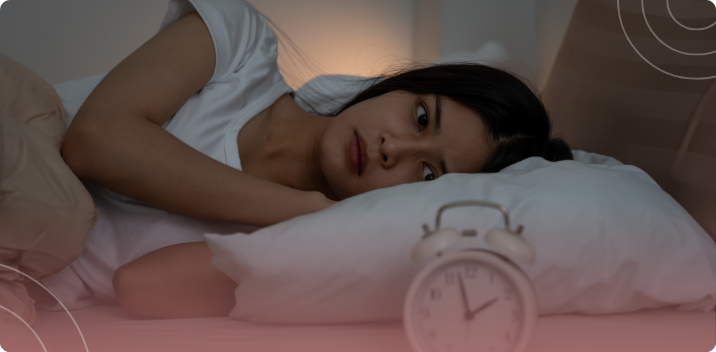
Millions of people struggle with chronic insomnia and sleep disturbances that leave them exhausted and unable to perform at their best. When sleep hygiene strategies and medications fail to deliver lasting results, many turn to neurofeedback as a drug-free alternative that targets the underlying cause: irregular brainwave patterns that prevent restful sleep.
Our Pasadena practice specializes in evidence-based neurofeedback training designed to help clients retrain the brain activity that disrupts healthy sleep. People dealing with insomnia, restless nights, trouble falling asleep, and frequent waking have experienced relief through customized brain training protocols that calm overactive neural networks and restore natural sleep rhythms.
Why Can't You Sleep Even When You Are Exhausted?
When you are exhausted but still cannot sleep, the problem usually is not effort or willpower. It is an overactive brain that refuses to downshift into a rest state, often firing fast brainwaves at the exact moment it should be slowing down. Insomnia is one of the most common sleep disorders, and roughly one in three adults experiences it at some point.
Quality sleep requires more than simply closing your eyes. Your brain must coordinate activity across multiple regions using specific brainwave frequencies to achieve restful sleep. Think of your brain as a 19-room mansion where different areas need to communicate effectively. The sleep control center must work smoothly with your emotional processing areas, stress response systems, and attention networks.
What Is Happening in the Brain During Insomnia?
During insomnia, the brain's "rooms" communicate on inefficient channels. Your stress response may send unnecessarily loud signals even without a real threat, and your executive function center might refuse to shut down at night, keeping your thoughts racing. These patterns show up clearly when the brain's electrical activity is measured.
For people living with insomnia, those communication problems appear as distinct signatures on a qEEG brain map. Insomnia sufferers typically show excessive beta wave activity when they should be generating more alpha and theta waves for relaxation and sleep. Chronic insomnia is generally defined as trouble sleeping at least three nights a week for three months or longer, and over time it can wear down memory, mood, and daytime focus. Researchers also note that persistent sleeplessness is tied to a range of cardiovascular and neurological concerns, which is why finding a durable solution matters so much.
How Does Brain Training Restore Healthy Sleep?
Brain training restores healthy sleep by translating your brainwave activity into real-time feedback so you can learn to shift overactive regions toward calm. Through targeted exercises, you teach the brain to quiet the racing signals that keep you awake and strengthen the patterns linked to relaxation and deep rest.
We have pioneered what we call Neurofeedback 3.0, an integrated multi-modal training approach that combines the best elements from all available methods and technologies. Our approach strategically blends multiple analysis methods including AI-based analysis, network connectivity assessment, normative database comparisons, and symptom tracking to create a complete picture of each client's unique brain patterns. We then select from over 20 different techniques to design truly personalized protocols, and we often pair the work with self-regulation tools like biofeedback to help calm the body's stress response alongside the brain.
Small sensors placed on your scalp measure brain electrical activity using electroencephalography. An EEG measures the electrical activity in your brain, and these sensors only read existing activity without sending any signals into your head. As you watch a video, your brain receives visual rewards when it produces calmer, balanced patterns associated with relaxation and sleep preparation. This immediate feedback teaches self-regulation, so your brain learns to recognize a calm, sleep-ready state and how to access it naturally.
What Should You Expect During Training Sessions?
You should expect short, comfortable sessions lasting 15 to 30 minutes, with no needles, no medication, and no downtime. At our Pasadena office, you relax in zero gravity chairs while your brain controls the clarity of your favorite shows on 70-inch TVs, turning the training into a calming experience rather than a clinical chore.
Before starting any program, we create your personalized brain map using 3D qEEG brain mapping. This map provides a blueprint of how all the different areas of your brain are functioning. After analyzing it, we review the findings with you either in person or via Zoom. Most clients begin with a four-month program of drug-free neurofeedback for sleep designed to improve sleep quality and duration.
Many Pasadena area clients notice initial improvements within the first several sessions. Early changes might include falling asleep 15 to 20 minutes faster, fewer nighttime wakings, or waking up feeling more refreshed. As training continues, these improvements typically become more pronounced and consistent. Through visual feedback, brain networks learn to communicate on balanced frequency channels, developing new connections that produce long-lasting results. Successful cases provide relief that lasts for extended periods, with some clients reporting indefinite benefits.
Remote Training Options for Restless Nights
Nearly 50% of our clients receive remote training, and that number continues to grow. For clients who live an hour or more from our Pasadena office, we provide brain training at home using our proprietary hardware and software. The remote approach works particularly well for insomnia relief because clients can complete sessions during evening hours when naturally winding down for bed.
Is Neurofeedback a Better Option Than Sleep Medication?
For people who want to avoid the grogginess, tolerance, and dependency risks linked to long-term sleep aids, neurofeedback offers a non-invasive path that works with the brain rather than sedating it. It requires no surgery and no additional medication, which makes it appealing for those who want relief without side effects.
Standard first-line guidance for chronic insomnia emphasizes cognitive behavioral therapy rather than indefinite reliance on sleep medicine, and brain training fits naturally into that drug-free, skills-based philosophy. Instead of masking symptoms each night, neurofeedback helps the brain relearn how to settle on its own. We view each client as a unique individual with their own story, challenges, and goals, and we use science-backed methods supported by a team of PhD scientific advisors to keep our approach accurate and current. For many clients, that combination of personalized brain training in Los Angeles and Pasadena becomes the turning point after years of frustrating nights.
Frequently Asked Questions
How long does neurofeedback take to improve sleep?
Many clients notice early changes within the first several sessions, such as falling asleep faster or waking less often. More consistent, lasting improvement usually develops over a four-month program as the brain builds new, balanced patterns. Every brain is different, so timelines vary from person to person.
Is neurofeedback for insomnia safe?
Yes. The sensors only read your existing brainwave activity and never send signals into your brain. There is no surgery, no medication, and no recovery time. Because it is non-invasive, it is often chosen by people who want to avoid the side effects associated with sleep medications.
Can I do sleep-focused brain training from home?
Yes. Nearly half of our clients train remotely using our proprietary hardware and software. Home sessions work especially well for sleep because you can train during evening hours while naturally winding down, all guided by our team without driving to the office.
What does a qEEG brain map show about my sleep?
A qEEG brain map measures your brain's electrical activity and reveals patterns linked to poor sleep, such as excessive fast brainwaves when the brain should be slowing down. This blueprint lets us design a protocol targeted to your specific patterns rather than using a one-size-fits-all approach.
Will I have to stop my sleep medication to try neurofeedback?
No. Neurofeedback does not require stopping any prescription, and decisions about medication should always be made with your prescribing physician. Many clients begin training while still using their current routine, then revisit those choices with their doctor as their sleep improves.
Ready to take the next step?
Talk with the Vital Brain Health team about a Neurofeedback plan built around your brain and your goals.