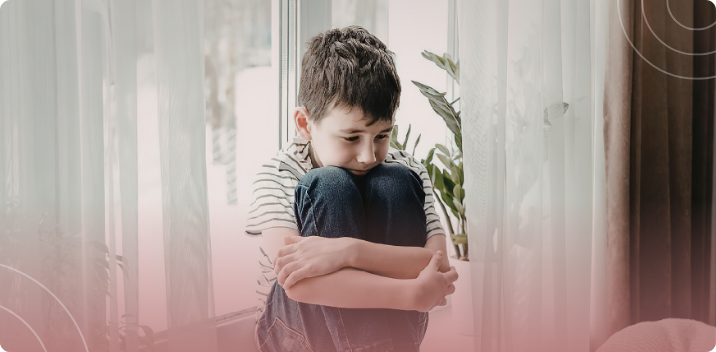
As a parent, recognizing the signs of depression in your child can feel overwhelming and heartbreaking. You may notice persistent sadness, withdrawal from friends and activities, difficulty concentrating at school, or changes in sleep and appetite that seem to stretch on for weeks or months. Neurofeedback therapy for children offers a medication-free pathway that helps kids learn to regulate the brain patterns associated with depressive symptoms, giving families a science-backed option worth exploring.
Our practice in Los Angeles has built extensive experience supporting children and families navigating depression in children. Pediatric clients represent roughly half of the practice’s patient population, with most young clients ranging from 7 to 14 years old. Children as young as 5 or 6 can begin neurofeedback sessions, and some practitioners accept 4-year-olds who demonstrate the ability to remain seated for 20 to 30 minute intervals.
How does depression affect a child’s developing brain?
Depression involves measurable differences in how a child’s brain communicates, not just changes in behavior. Researchers have repeatedly found that depressive symptoms in young people line up with imbalanced activity between the frontal brain regions that handle mood, motivation, and emotional processing. These are patterns of brain function, not character flaws, and that distinction matters for treatment.
Recognizing the signs in children
Depression in children often looks different than it does in adults. Rather than expressing sadness directly, children may become irritable, lose interest in favorite activities, complain of frequent headaches or stomachaches, or struggle with concentration at school. Some children exhibit increased clinginess, while others withdraw from family and peers entirely. These behavioral shifts can be easy to dismiss as phases, but pediatric specialists note that when low mood, irritability, or loss of interest persist for two weeks or longer in a child, they deserve a closer look rather than a wait-and-see approach.
The neurological basis of childhood depression
Research has shown that depression involves differences in brainwave activity that can be captured on an EEG. Children experiencing depressive symptoms often display imbalanced communication between frontal brain regions responsible for mood regulation, motivation, and emotional processing. Studies of resting frontal EEG asymmetry in adolescents have linked patterns of lateralized frontal activity to emotional risk, which helps explain why two children can face similar circumstances yet respond so differently. These are not signs of weakness. They are patterns in brain function that can be identified, measured, and trained toward healthier activity.
How does neurofeedback address depression in children?
Neurofeedback is a safe, non-invasive form of brain training that turns your child’s own brainwave activity into real-time visual and auditory feedback so the brain can gradually learn steadier patterns. It works through operant conditioning, the same learning principle that shapes any new skill, applied directly to brain activity rather than behavior alone.
The science behind the training
Picture the brain as a sophisticated network of interconnected rooms, where each space handles distinct cognitive and emotional tasks. The mood regulation center manages emotional responses, the motivation hub drives engagement and interest, the executive suite handles decision-making, and communication channels link everything together.
During sessions, small sensors are placed on your child’s scalp to measure electrical brain activity through electroencephalography (EEG). These sensors function as listeners only. They transmit nothing into the brain and merely monitor existing activity. While your child engages with videos or games, optimal brain patterns allow smooth gameplay or clear video display, while less focused or imbalanced brain states trigger slowed gameplay or slightly dimmed video. Published reviews describe this as training individuals to alter their brain activity through feedback, teaching children to recognize and influence their own patterns without medication.
Neurofeedback 3.0 and your child’s brain map
Our practice has developed Neurofeedback 3.0, an advanced multi-modal training system that integrates AI-powered analysis, network connectivity evaluation, and symptom monitoring. The approach draws from over 20 distinct neurofeedback methodologies, including established EEG training methods such as slow cortical potential and frequency protocols, to create individualized treatment protocols tailored to each child. The starting point is a detailed 3D qEEG brain mapping session that reveals exactly which regions and connectivity patterns are contributing to low mood, reduced motivation, sleep disruption, and emotional dysregulation, so the training targets the right areas from day one.
What can families expect from neurofeedback?
Most families see small, encouraging shifts within the first several sessions, with broader changes building over a typical 4-month program. Outcomes differ by individual, but progress usually shows up across mood, sleep, motivation, social engagement, and school performance rather than in one area alone.
Early improvements and long-term outcomes
Clinical research indicates neurofeedback may help diminish depressive symptoms in children, though outcomes differ by individual. At our Los Angeles facility, the standard starting point involves a 4-month training program targeting specific brain regions or established goals.
Families generally observe initial subtle shifts within the opening sessions. Early indicators might include a child showing renewed interest in hobbies they had abandoned, sleeping more soundly through the night, engaging more willingly with family and friends, or displaying a brighter overall disposition during daily routines. The visual feedback system helps brain networks establish communication through more balanced frequency patterns, creating new neural pathways that produce enduring effects. Successful neurofeedback training in Los Angeles delivers sustained support over extended timeframes, and some clients even describe experiencing long-lasting benefits.
A collaborative approach to care
This approach integrates seamlessly with existing brain health resources. Our team collaborates with your child’s therapist, psychologist, psychiatrist, pediatrician, school counselor, and other professionals to optimize results. Because getting support to a child early tends to make it more effective, neurofeedback is best used alongside, not instead of, the other care a family may already have in place. It complements those interventions by addressing the underlying brainwave patterns that contribute to depressive symptoms while other providers address the cognitive and behavioral pieces.
What do neurofeedback sessions look like and how are they scheduled?
Sessions are short and built to feel like play, not treatment. Standard Neurofeedback 3.0 sessions run 15 to 30 minutes, and families can choose in-office, remote, or hybrid formats depending on where they live and what fits their routine.
In-office sessions
The advanced neurofeedback methods we use require briefer sessions compared to older training techniques, delivering maximum impact in less time. In the office setting, children relax in zero-gravity chairs while their brainwave activity controls the clarity of favorite programs displayed on 70-inch screens. Kids age 7 and up generally adapt readily because they possess longer attention spans and grasp the brain-training concept more easily. Families throughout Pasadena, Altadena, and the greater Los Angeles region frequently share that their children find sessions enjoyable once they realize they are simply playing games or watching preferred programs during the actual training.
Remote and hybrid programs
Remote training programs allow families to access support from anywhere in the country. Currently, nearly half of all clients participate through remote neurofeedback, and that percentage continues to grow. For families living an hour or more away, home-based neurofeedback training and hybrid arrangements are available so that geography never becomes a barrier to care.
Is neurofeedback right for your child?
Consider neurofeedback training if your child has been showing signs of childhood depression for two weeks or longer, your family would prefer to explore non-pharmaceutical options before turning to medication, therapy alone has not yielded the progress you were hoping for, your child has reached at least 5 to 6 years of age, you can commit to a 4-month training schedule, or you are looking for an approach that teaches lifelong self-regulation skills rather than relying on ongoing prescriptions.
A first visit typically includes a thorough intake evaluation and detailed brain mapping to create your child’s personalized brain map, providing a blueprint that shows how different regions function and interact. Each client receives recognition as a unique individual with distinct experiences, obstacles, and goals, and the practice maintains a team of PhD scientific advisors to ensure evidence-based support. Neurofeedback equips children with skills applicable throughout life, supporting improved mood stability, emotional resilience, and confidence in their own capabilities.