Is neurofeedback safe?
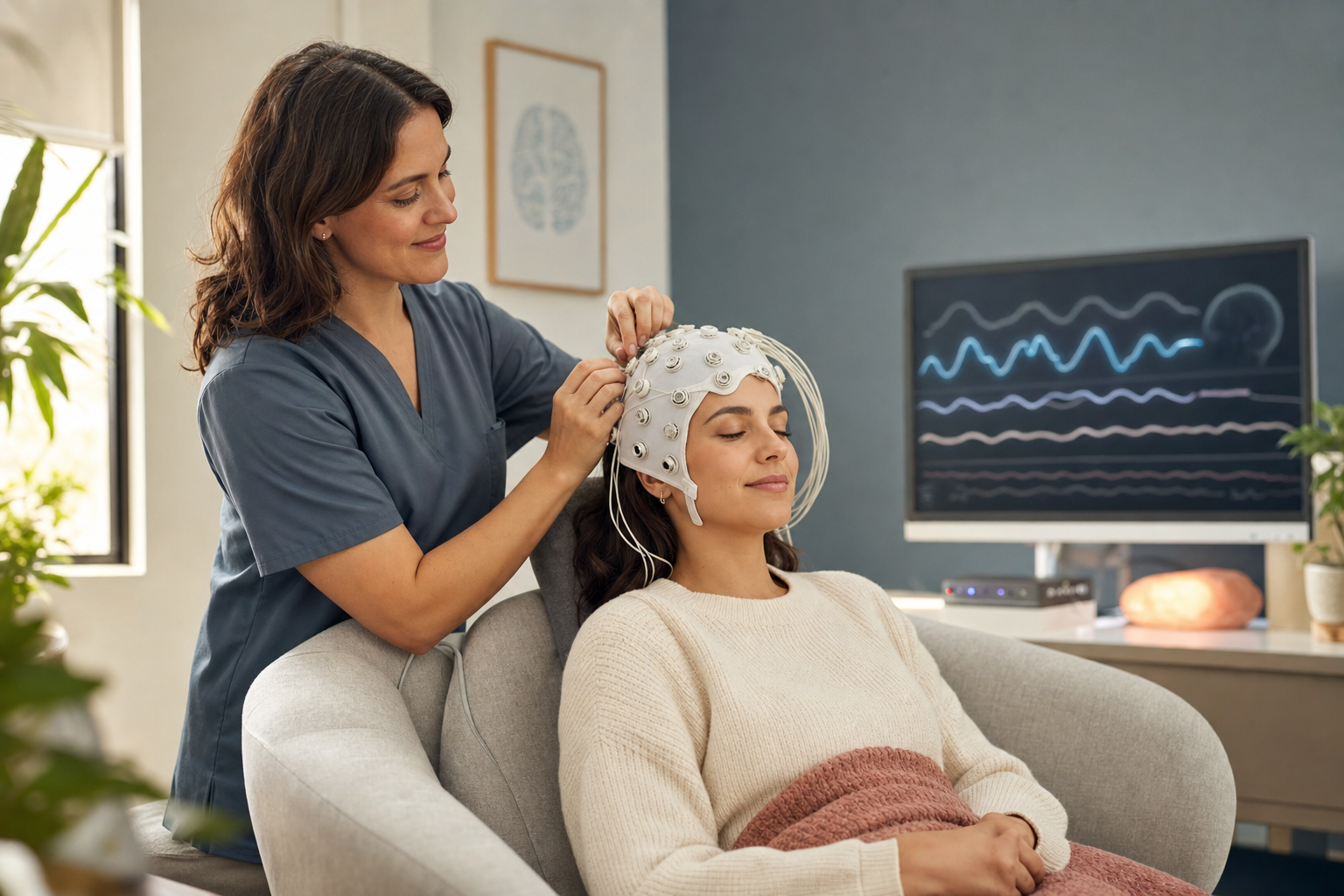
Neurofeedback is a non-invasive, drug-free form of brain training, and the research record supports its safety when it is delivered properly. A systematic review of neurofeedback studies found the interventions were well tolerated, with only a small minority of studies reporting any side effects at all. Nothing is put into the brain during a session: the sensors on the scalp only read your brain's electrical activity, the same way a thermometer reads temperature. The "feedback" is simply what you see and hear on a screen.
That said, "safe" does not mean "nothing to think about." Like any training process, neurofeedback can produce temporary effects, and quality of delivery matters. Here is the honest picture.
What side effects can neurofeedback cause?
The side effects reported in research are mostly mild and short-lived. A double-blind, sham-controlled study of neurofeedback side effects described them as transient, meaning they show up around training and fade on their own. In practice, the effects people most often describe include:
- Feeling tired or "worked out" mentally after a session, especially early in training
- A mild, short-lived headache
- Feeling briefly wired or restless after certain sessions
- Vivid dreams or temporary changes in sleep as the brain adjusts
Notably, research on neurofeedback for attention challenges has reported no significant neurofeedback-specific side effects across prior studies. Compare that to the side-effect lists that come with many medication options, and you can see why families exploring drug-free support often start here.
Why do some people say neurofeedback made them feel worse?
If you have searched this topic, you have probably run into alarming stories. Most trace back to one of three things, and all three are avoidable:
- Generic protocols. Training that is not matched to the person's actual brain activity can push in the wrong direction, which is why serious clinics begin with a quantitative EEG assessment instead of guessing. Our article on what a qEEG brain map actually shows explains how mapping works.
- Overtraining. More is not better. Session length, frequency, and intensity should be calibrated and adjusted based on how you respond.
- Unqualified providers. Neurofeedback equipment can be purchased by anyone. Credentials, clinical oversight, and a real intake process are what separate professional care from a gadget experience.
The lesson is not that neurofeedback is risky. It is that the provider you choose matters more than the device.
How to choose a safe neurofeedback provider
Ask these questions before you commit, whether at our clinic or anywhere else:
- Do you start with a full qEEG brain map, and will you review it with me?
- Who designs and supervises the training protocol, and what are their credentials?
- How do you monitor progress and adjust the plan if something feels off?
- What happens if I notice new symptoms during training?
A trustworthy clinic will welcome every one of those questions.
How Vital Brain Health approaches safety
At Vital Brain Health in Pasadena, every client starts with a 3D qEEG brain map so training is matched to your brain's actual patterns rather than a generic template. Programs are designed and supervised by a credentialed clinical team led by Dr. Giancarlo Licata, who holds a post-doctorate diplomate in quantitative electroencephalography, and your response is monitored session by session, including in our nationwide remote programs. If you have questions about your specific situation, including your health history, schedule an appointment and we will talk it through honestly.
Frequently Asked Questions
Is neurofeedback safe for children?
Research reviews report neurofeedback is well tolerated, and it is widely used with children because it is non-invasive and drug-free. The keys are an individualized protocol from a brain map, age-appropriate session design, and clinical supervision throughout.
What are the most common side effects of neurofeedback?
The most commonly reported effects are temporary: mental tiredness after a session, a mild headache, brief restlessness, or short-term changes in sleep. Research describes these as transient, and they typically fade as training settles in.
Can neurofeedback make anxiety or symptoms worse?
A poorly matched or generic protocol can leave someone feeling off, which is one reason mapping matters. When training is guided by a qEEG assessment and adjusted based on your response, the process is designed to move in the right direction and be corrected quickly if it does not feel right.
Do the effects of a session wear off?
The temporary after-session effects, like tiredness, fade quickly. The trained improvements are the point of the process: neurofeedback is learning, and the goal is for your brain to keep the healthier pattern after the program ends.
Is neurofeedback FDA approved?
EEG biofeedback equipment used by clinics is regulated, but neurofeedback as a treatment does not carry FDA approval for specific conditions. That is one more reason to work with a credentialed team that is honest about what the research shows for your specific goals.
Ready to take the next step?
Talk with the Vital Brain Health team about a Neurofeedback plan built around your brain and your goals.